
Ultimate Guide to Cannondale Bikes: Everything You Need to Know
In the world of cycling, few brands stand out quite like Cannondale bikes. Known for their innovative designs, high-performance features, and commitment to quality, Cannondale bikes have captured the hearts of riders from casual commuters to professional athletes. Whether you’re hitting rugged mountain trails, cruising smooth roads, or exploring urban paths, Cannondale bikes offer something for everyone. This comprehensive guide dives deep into the history, types, models, and tips for owning one of these exceptional machines. If you’re considering adding a new ride to your collection or just curious about what makes Cannondale bikes so special, read on for all the details.
The Rich History of Cannondale Bikes
Cannondale bikes trace their roots back to 1971 when the company was founded by Joe Montgomery and Murdock MacGregor in Wilton, Connecticut. Initially, the business focused on precast concrete housing, but it quickly diversified into outdoor gear. By the mid-1970s, Cannondale was producing bicycle trailers called “the Bugger” and lightweight bicycle bags, becoming a leader in that niche. The shift to manufacturing actual bicycles came in the early 1980s, thanks to innovations in aluminum frame welding developed by Todd Patterson. This marked the beginning of Cannondale’s reputation for cutting-edge technology.
Key milestones in the evolution of Cannondale bikes include the release of their first mountain bike, the SM-500, in 1984, which featured unique wheel sizes for better handling. The 1990s saw groundbreaking advancements like the Delta V integrated shock fork in 1992 and the Super V full-suspension model in 1993. These innovations helped Cannondale bikes dominate competitions, with wins in downhill world championships and cross-country races. In 1997, the CAAD3 road frame debuted, showcasing the brand’s expertise in aluminum.
Ownership changes have shaped the company too. After going public in 1995 and facing bankruptcy in 2003 due to motorsport ventures, Cannondale was acquired by Pegasus Capital Advisors. In 2008, Dorel Industries bought it for $200 million, and by 2022, Pon Holdings took over, integrating it into a larger cycling portfolio. Today, frames are made in Taiwan, with assembly in various locations, but the spirit of innovation remains strong in Cannondale bikes.
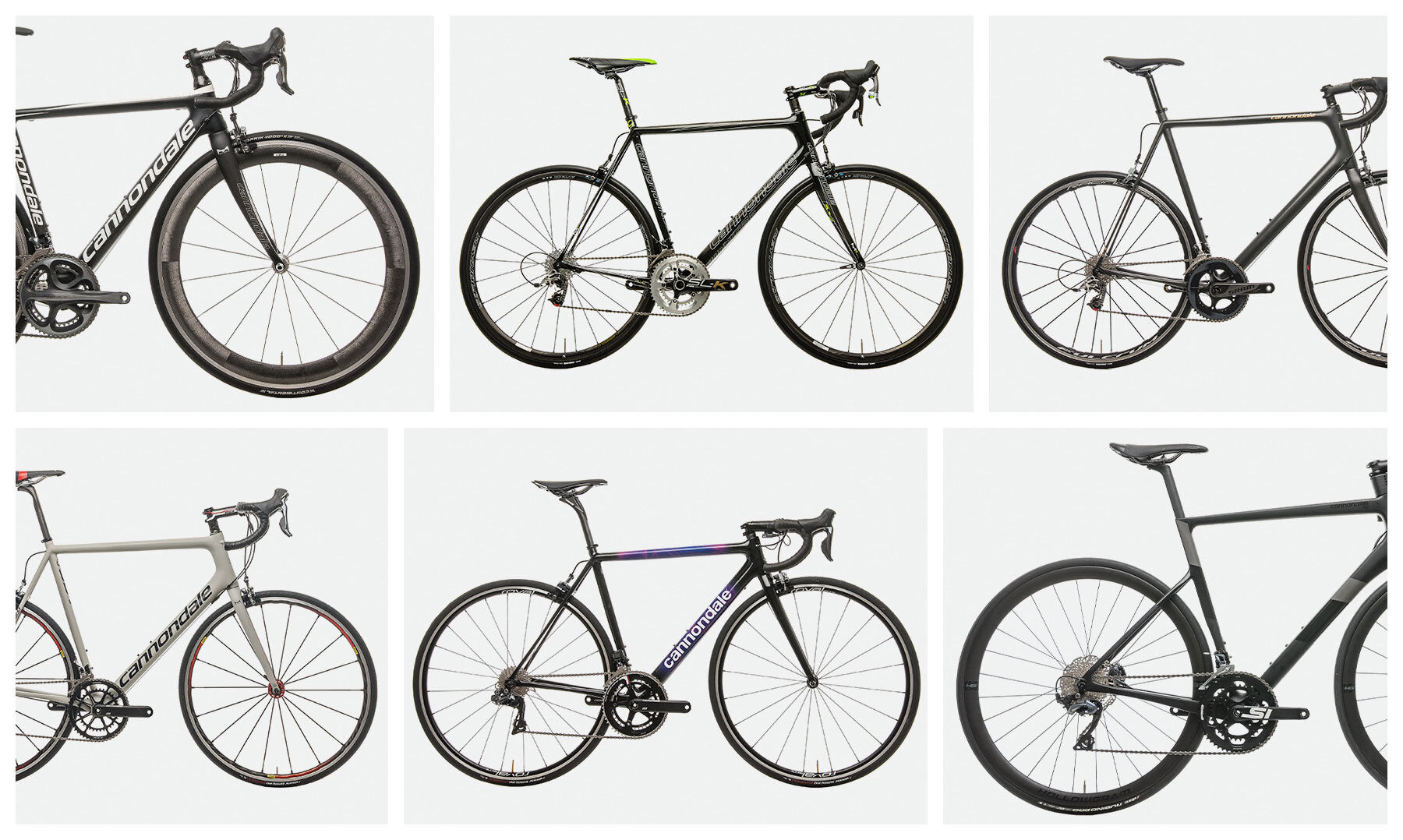
From humble beginnings above a pickle factory (near the Cannondale train station, which inspired the name) to global recognition, Cannondale bikes have always pushed boundaries. Their early forays into carbon fiber and suspension systems set standards that many brands still follow.
Exploring the Types of Cannondale Bikes
Cannondale bikes come in a variety of categories, each tailored to specific riding styles. This diversity ensures that whether you’re a beginner or a seasoned pro, there’s a Cannondale bike suited to your needs.
Mountain Bikes: Built for Adventure
For off-road enthusiasts, Cannondale bikes in the mountain category are legendary. Models like the Scalpel emphasize lightweight design and responsive handling, perfect for cross-country racing. The Trail series offers affordable entry points with durable aluminum frames and reliable components, ideal for weekend warriors tackling local trails.
What sets these Cannondale bikes apart is their suspension technology, such as the Headshok system introduced in the 1990s, which provides smooth absorption without excess weight. Riders praise the geometry for stability on descents and efficiency on climbs. If you’re into enduro or downhill, options like the Jekyll deliver adjustable travel (up to 135mm) for conquering rough terrain.
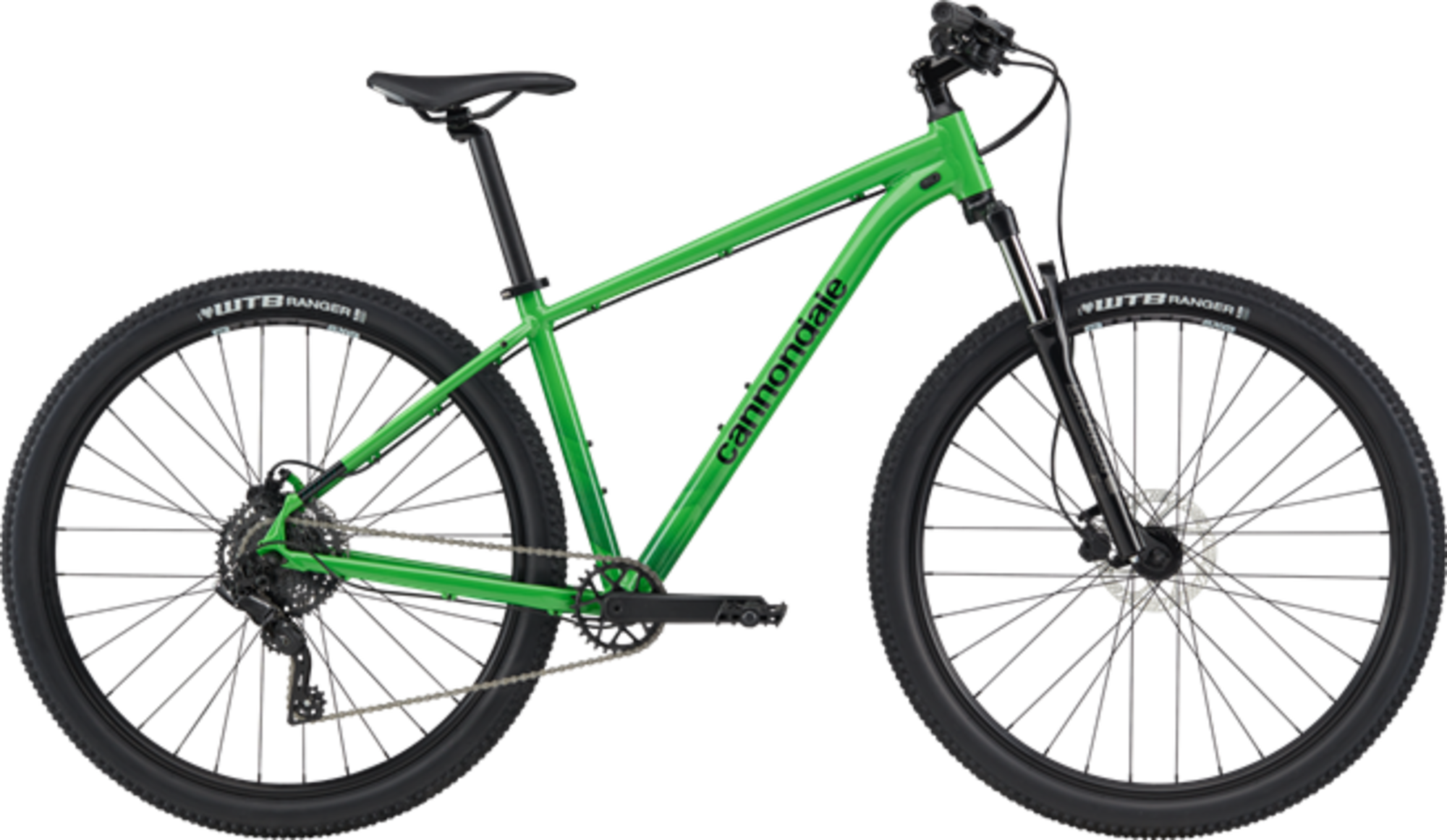
Mountain biking with Cannondale bikes isn’t just about performance—it’s about the thrill of exploration. These bikes often feature wide tires for grip and disc brakes for reliable stopping power in muddy conditions.
Road Bikes: Speed and Endurance
Cannondale bikes shine on pavement with their road lineup. The Synapse series, for instance, is designed for endurance, featuring carbon frames that dampen vibrations for long rides. It’s no wonder the Synapse was used in record-breaking feats, like Lachlan Morton’s around-Australia journey.
For speed demons, the SuperSix EVO offers aerodynamic efficiency and lightweight construction, making it a favorite among racers. Cannondale bikes in this category often incorporate SAVE technology (Synapse Active Vibration Elimination) to reduce fatigue without sacrificing stiffness. Whether you’re training for a century ride or commuting, these bikes deliver.
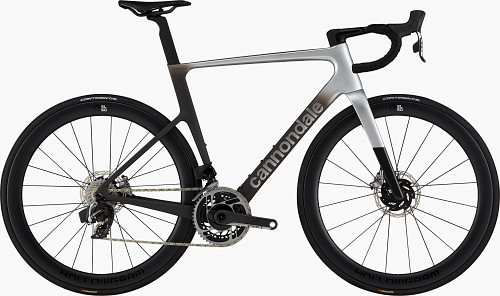
Road Cannondale bikes also appeal to gravel riders with models like the Topstone, which blend road speed with off-road capability. Gravel biking has surged in popularity, and Cannondale’s innovations keep them at the forefront.
Electric Bikes: Power-Assisted Fun
In the era of e-mobility, Cannondale bikes have embraced electric assistance. Their e-bike range, including the Adventure Neo, uses Bosch or other motors for pedal-assist up to 28 mph. These are great for commuters facing hills or longer distances, with batteries offering ranges up to 100 miles.
Features like auto-shifting via Enviolo make riding effortless, eliminating the need for manual gear changes. Cannondale bikes in electric form maintain the brand’s lightweight ethos, often under 50 pounds, and integrate smart connectivity through the Cannondale App for tracking rides and maintenance alerts.
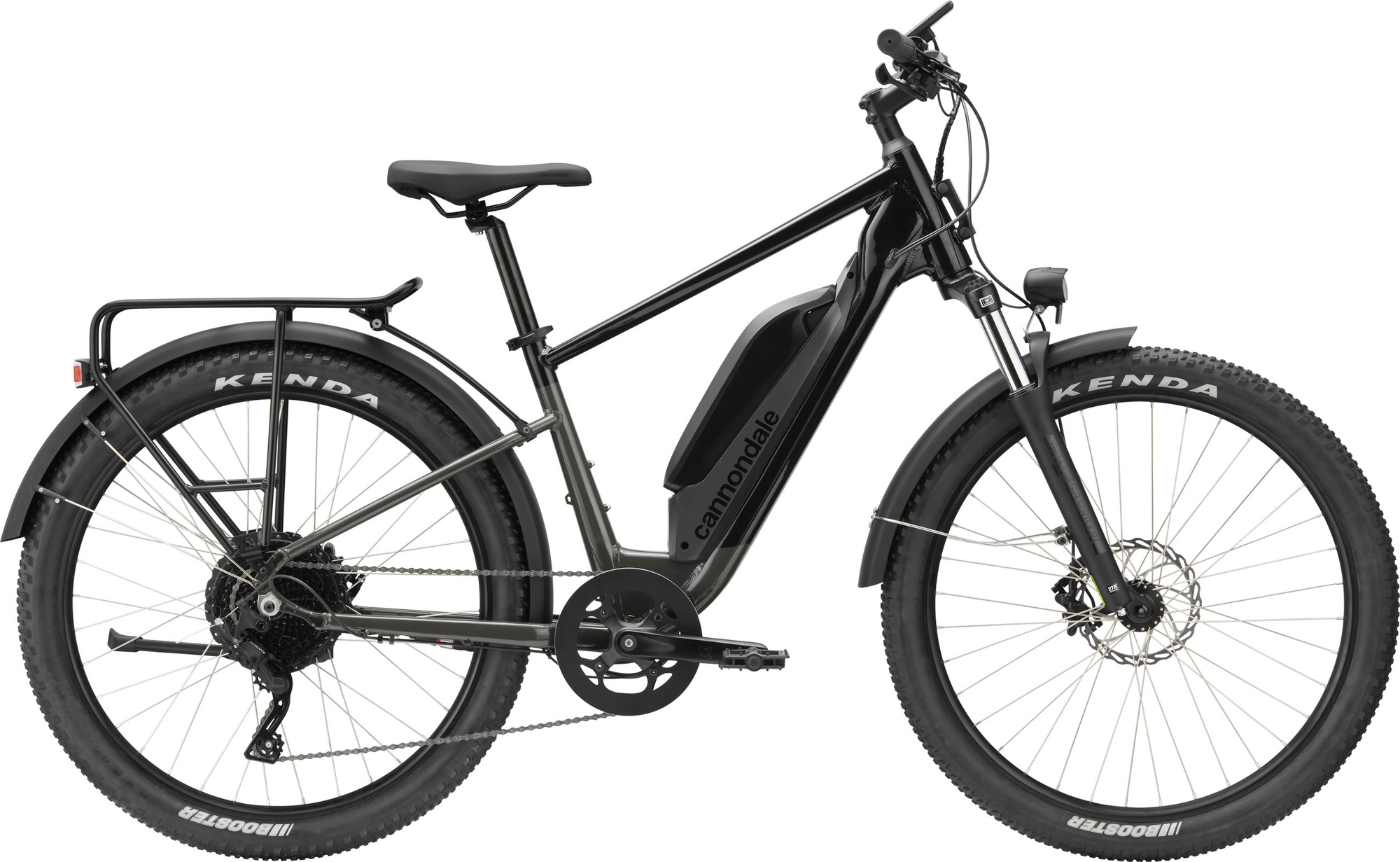
Electric Cannondale bikes are eco-friendly alternatives to cars, promoting fitness while providing that extra boost when needed.
Hybrid and Urban Bikes: Versatile Daily Riders
For everyday use, hybrid Cannondale bikes like the Quick series mix road efficiency with mountain bike comfort. They’re perfect for city streets, bike paths, or light trails, with upright geometry for better visibility and comfort.
The Bad Boy urban line stands out with its stealthy blacked-out aesthetics and integrated lights for night riding. These Cannondale bikes often include fender and rack mounts for practicality, making them ideal for errands or fitness rides.
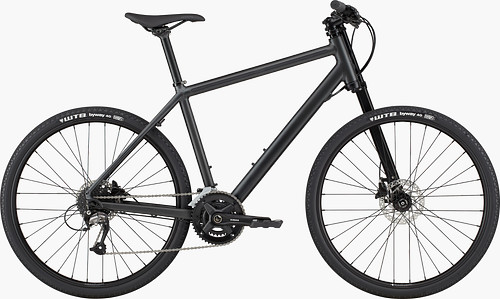
Hybrid Cannondale bikes bridge the gap between categories, offering affordability and reliability for new cyclists.
Kids’ Bikes and Other Specialties
Cannondale doesn’t forget the little ones— their kids’ bikes are scaled-down versions with safety features like easy brakes and stable frames. For specialized needs, they offer fitness-oriented models like the Treadwell, which prioritizes simplicity and fun.
Popular Models of Cannondale Bikes
Among the standout Cannondale bikes, the Scalpel remains a top choice for mountain bikers, with its carbon frame and 100mm travel. The SuperSix EVO in road biking has evolved through generations, each lighter and faster. Gravel fans love the Topstone for its compliance and tire clearance up to 45mm.
Electric highlights include the Tesoro Neo, blending touring capability with power. For budgets, the Trail SE series provides value without skimping on quality. These models showcase why Cannondale bikes consistently earn awards and rider loyalty.
Innovative Features in Cannondale Bikes
Innovation is the hallmark of Cannondale bikes. From the BB30 bottom bracket standard that improved stiffness to carbon fiber integration in the Raven series, they’ve led the pack. Modern features include the Cannondale App for connectivity, allowing GPS tracking and service reminders.
Suspension systems like Lefty forks (single-sided for reduced weight) and flexible chainstays in the Scalpel enhance ride quality. Materials-wise, SmartForm aluminum and BallisTec carbon ensure durability and lightness. Safety additions, such as MIPS helmets in their gear line, complement the bikes.
A Buyer’s Guide to Cannondale Bikes
Choosing among Cannondale bikes starts with your riding style—mountain for trails, road for speed, etc. Budgets range from $500 for entry-level to over $10,000 for pro models. Fit is crucial; use their size charts or visit a dealer.
Consider components: Shimano or SRAM groupsets, hydraulic brakes, and wheelsets. Test rides help, and check for warranties—Cannondale offers lifetime on frames for original owners.
Where to buy? Official sites, REI, Mike’s Bikes, or Bike Attack often have deals. Accessories like pumps, helmets, and multi-tools from Cannondale enhance the experience.
Maintenance Tips for Your Cannondale Bike
To keep Cannondale bikes performing, regular maintenance is key. Clean the frame after rides, lubricate the chain weekly, and check tire pressure. Use the app for reminders on servicing forks or brakes.
For e-bikes, charge batteries properly and store indoors. Professional tunes-ups annually prevent issues. With proper care, Cannondale bikes last decades.
Why Choose Cannondale Bikes?
In summary, Cannondale bikes represent a blend of history, innovation, and versatility. From their pioneering aluminum frames to modern e-bikes, they cater to all riders. Whether exploring trails or commuting, investing in Cannondale bikes means quality and excitement. Ready to ride? Check out their lineup and hit the path today.