
Cannondale Scalpel: Revolutionizing Cross-Country Mountain Biking
In the world of mountain biking, few names evoke as much excitement and respect as the Cannondale Scalpel. This iconic full-suspension bike has been a staple for cross-country (XC) enthusiasts and racers alike, blending cutting-edge technology with trail-conquering performance. Whether you’re charging up steep climbs or navigating technical descents, the Cannondale Scalpel stands out as a machine built for speed, efficiency, and pure riding joy. In this in-depth guide, we’ll explore everything you need to know about this legendary bike, from its rich history to its latest models, features, and real-world performance.
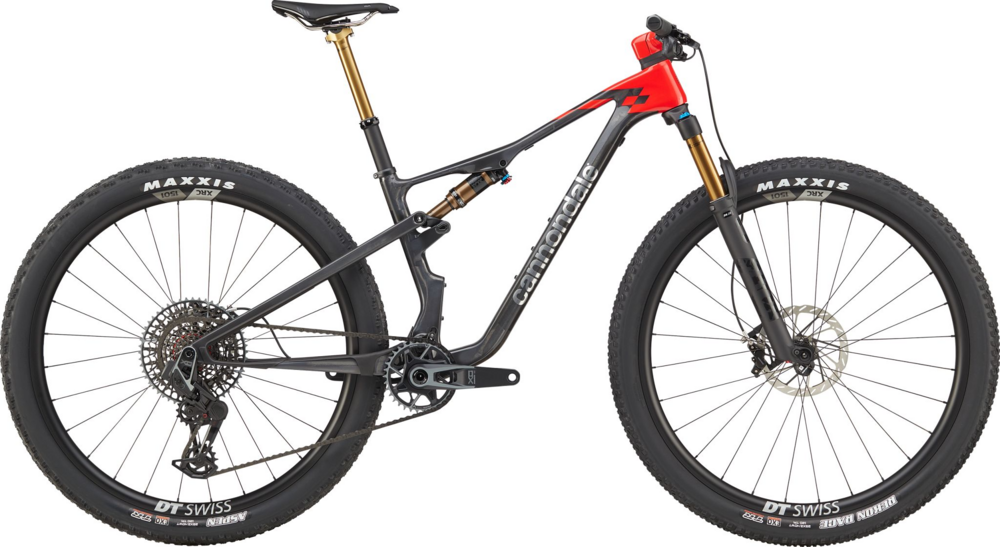
The Evolution of the Cannondale Scalpel: A 20-Year Legacy
The Cannondale Scalpel has a storied history that dates back over two decades, making it one of the longest-running models in Cannondale’s lineup. First introduced in the early 2000s, it quickly gained a reputation as a purebred XC racer, designed with razor-sharp geometry and minimal suspension to prioritize speed on smooth, fast tracks. Early versions featured around 100mm of travel, optimized for cross-country racing where every ounce and every watt counted.
Over the years, the bike has evolved significantly to meet the demands of modern XC courses, which have become more technical and demanding. By 2016, models like the Scalpel Si Hi-Mod Team were pushing boundaries with advanced carbon construction and integrated features that enhanced stiffness while reducing weight. A major shift came in 2020 with a redesign that incorporated a more efficient suspension system, including a virtual Horst Link for better pedaling efficiency and trail compliance.
Fast forward to the latest iterations in 2024 and 2025, and the Cannondale Scalpel has embraced a more versatile approach. Now boasting 120mm of front and rear travel on most models (up from the previous 100mm split), it caters to both hardcore racers and trail riders who want a bike that can handle aggressive terrain without sacrificing speed. This evolution reflects Cannondale’s commitment to innovation, drawing from feedback from their Factory Racing team to create a bike that’s not just fast but also fun on a wider variety of trails.
This progression hasn’t gone unnoticed. Reviews from outlets like Bicycling and Pinkbike highlight how the Scalpel has matured into a capable all-rounder, capable of tackling everything from World Cup races to weekend adventures. Its history is a testament to Cannondale’s engineering prowess, continually refining the bike to stay ahead in the competitive XC market.
Key Features That Make the Cannondale Scalpel Stand Out
What sets the Cannondale Scalpel apart is its blend of lightweight construction, advanced suspension, and rider-focused geometry. At the heart of the bike is its carbon frame, which uses high-modulus fibers to achieve exceptional stiffness-to-weight ratios. This means you get a responsive ride that transfers power efficiently during climbs while absorbing vibrations on rough sections.
The suspension system is a highlight, featuring 120mm of travel tuned for XC efficiency. Cannondale’s proprietary FlexPivot technology replaces traditional pivot hardware with flexing carbon stays, reducing weight and maintenance needs while providing smooth, progressive suspension action. Paired with forks like the Lefty Ocho Carbon or RockShox SID Select+, the setup offers excellent small-bump compliance and big-hit absorption, making it ideal for modern XC trails that mix flowy singletrack with rocky drops.
Geometry-wise, the Cannondale Scalpel sports a slack 66.6-degree head tube angle for confident descending, a steep seat tube angle for efficient climbing, and chainstays around 442mm for nimble handling. Reach measurements, such as 475mm on medium sizes, provide a balanced fit that suits aggressive riding positions. Add in grippy 2.4-inch tires, wide bars, short stems, and dropper posts, and you have a bike that’s “rowdy ready” – capable of pushing limits without feeling like a dedicated enduro machine.
Connectivity features, like integrated speed sensors and power meters on higher-end models, allow riders to track performance data seamlessly. The bike also accommodates two large water bottles in the frame, a practical touch for long races or epic rides. Overall, these features make the Cannondale Scalpel a versatile tool for anyone serious about XC biking.
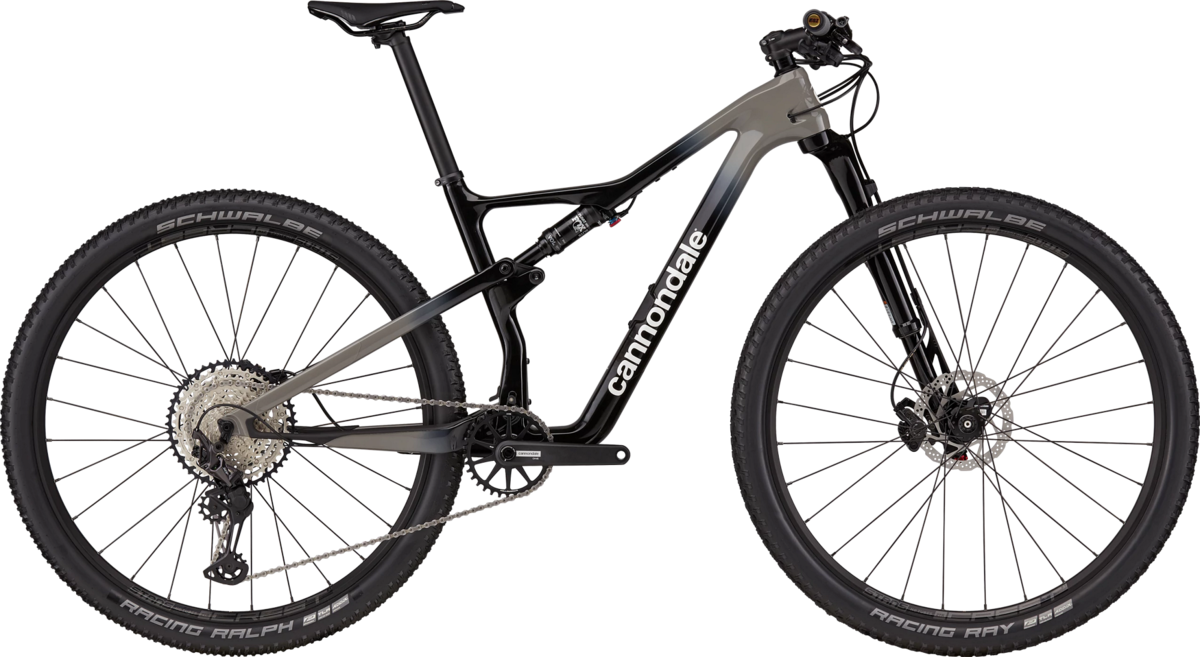
Exploring the Cannondale Scalpel Model Lineup
Cannondale offers a diverse range of Scalpel models to suit different budgets and riding styles. Here’s a breakdown of some key variants:
- Scalpel LAB71: The pinnacle of the lineup, this ultimate XC ripper features 120mm travel, a Lefty Ocho Carbon fork, SRAM XX SL AXS drivetrain, and DT Swiss XRC 1200 carbon wheels. It’s designed for elite racers seeking the lightest, most responsive setup.
- Scalpel Hi-MOD 1: A lightning-fast option with SRAM XO Transmission electronic shifting, Lefty Ocho Carbon fork, and HollowGram carbon wheels. Available in versions with 100mm or 120mm travel, it’s perfect for those who prioritize speed on smoother trails.
- Scalpel 1: Equipped with Fox Factory suspension, SRAM XO AXS, and DT Swiss XRC 1501 wheels, this model excels in aggressive XC scenarios. The Lefty variant adds Cannondale’s signature single-sided fork for reduced weight and improved steering precision.
- Scalpel 2: Offers Shimano XT Di2 shifting, RockShox SID Select+ fork, and DT Swiss XRC 1900 carbon wheels. It’s a great mid-range choice with options for SRAM GX AXS and HollowGram XC-S 27 wheels.
- Scalpel 3 and 4: More accessible entry points with Shimano XT/Deore or Deore M6100 drivetrains, RockShox SID forks, and DownLow dropper posts. These models provide excellent value without skimping on core performance features.
- Scalpel Carbon SE Series: For trail-oriented riders, these variants like the SE 1 come with Shimano XT 12-speed and beefier components for handling rougher terrain while maintaining XC efficiency.
Each model shares the core DNA of the Cannondale Scalpel but tweaks components for specific needs, from race-day optimization to all-day adventures.
Performance on the Trail: Reviews and Real-World Insights
Riders and reviewers consistently praise the Cannondale Scalpel for its balanced performance. In a 2024 Blister Review, testers noted its versatility on 29-inch wheels, with the 120mm travel providing enough cushion for technical descents while remaining efficient on climbs. The bike’s geometry allows it to handle a wide variety of terrain, from fast flow trails to rooty, rocky sections, without feeling overbuilt.
Pros include exceptional climbing prowess, thanks to the steep seat angle and efficient suspension that minimizes bob under power. Descending confidence is boosted by the slack head angle and grippy tires, making it feel more like a trail bike than a traditional XC rig. The Lefty fork, a Cannondale hallmark, offers precise steering and reduced unsprung weight, enhancing overall agility.
On the flip side, some older models were critiqued for being too race-focused, with limited travel making them less forgiving on rough trails. However, the newer 120mm versions address this, though they might not satisfy riders seeking full enduro capability. Maintenance on the Lefty fork can be specialized, but it’s durable and reliable for most users.
In comparisons, the Cannondale Scalpel often edges out competitors like the Specialized Epic or Trek Supercaliber in terms of innovative features like FlexPivot. It’s particularly favored by those who appreciate Cannondale’s unique aesthetic and engineering.
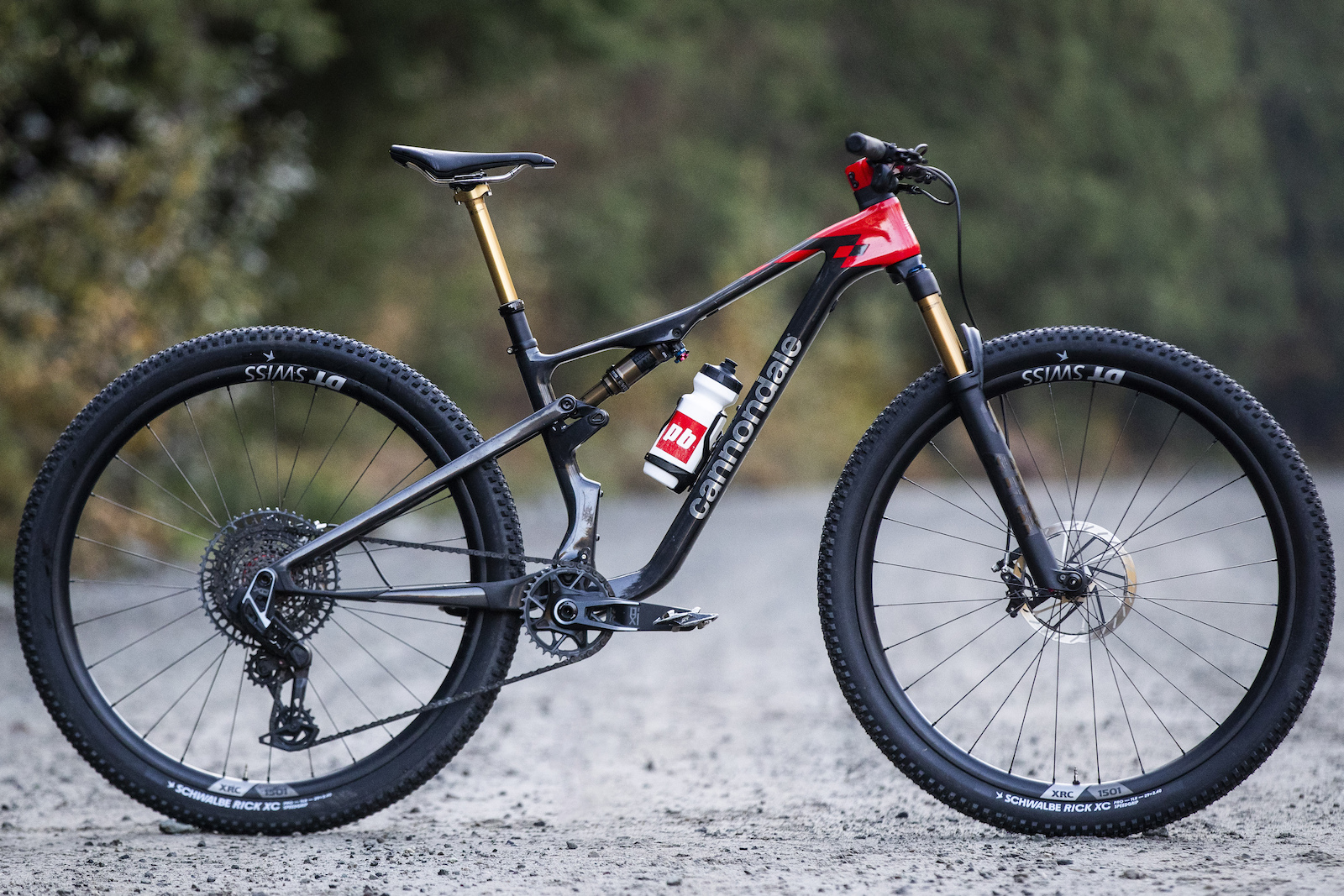
Pros and Cons of Owning a Cannondale Scalpel
To help you decide if this bike is right for you, let’s weigh the advantages and potential drawbacks:
Pros:
- Lightweight and Efficient: Carbon construction keeps weights low, ideal for racing and long rides.
- Versatile Suspension: 120mm travel handles modern XC demands with ease.
- Innovative Features: FlexPivot and Lefty fork reduce weight and improve performance.
- Aggressive Geometry: Balances climbing efficiency with descending confidence.
- High-Quality Components: From SRAM AXS to DT Swiss wheels, builds are premium.
Cons:
- Price Point: Higher-end models can be expensive, though value-packed.
- Specialized Maintenance: Lefty fork requires specific tools and knowledge.
- Not for Extreme Enduro: Better suited to XC/trail than heavy-duty downhill.
- Limited Travel Options: Some prefer more suspension for rougher rides.
Overall, the pros far outweigh the cons for XC-focused riders.

Why the Cannondale Scalpel Should Be Your Next XC Bike
If you’re in the market for a bike that embodies the spirit of cross-country riding – fast, agile, and endlessly capable – the Cannondale Scalpel deserves a spot at the top of your list. Its evolution from a niche racer to a versatile trail weapon shows Cannondale’s dedication to pushing boundaries. Whether you’re eyeing the top-of-the-line LAB71 for podium finishes or the more affordable Scalpel 4 for weekend escapades, this bike delivers performance that inspires confidence and speed.
Before purchasing, consider test-riding one at a local dealer to feel its magic firsthand. With its blend of history, innovation, and real-world prowess, the Cannondale Scalpel isn’t just a bike; it’s a gateway to faster, more exhilarating rides. Happy trails!