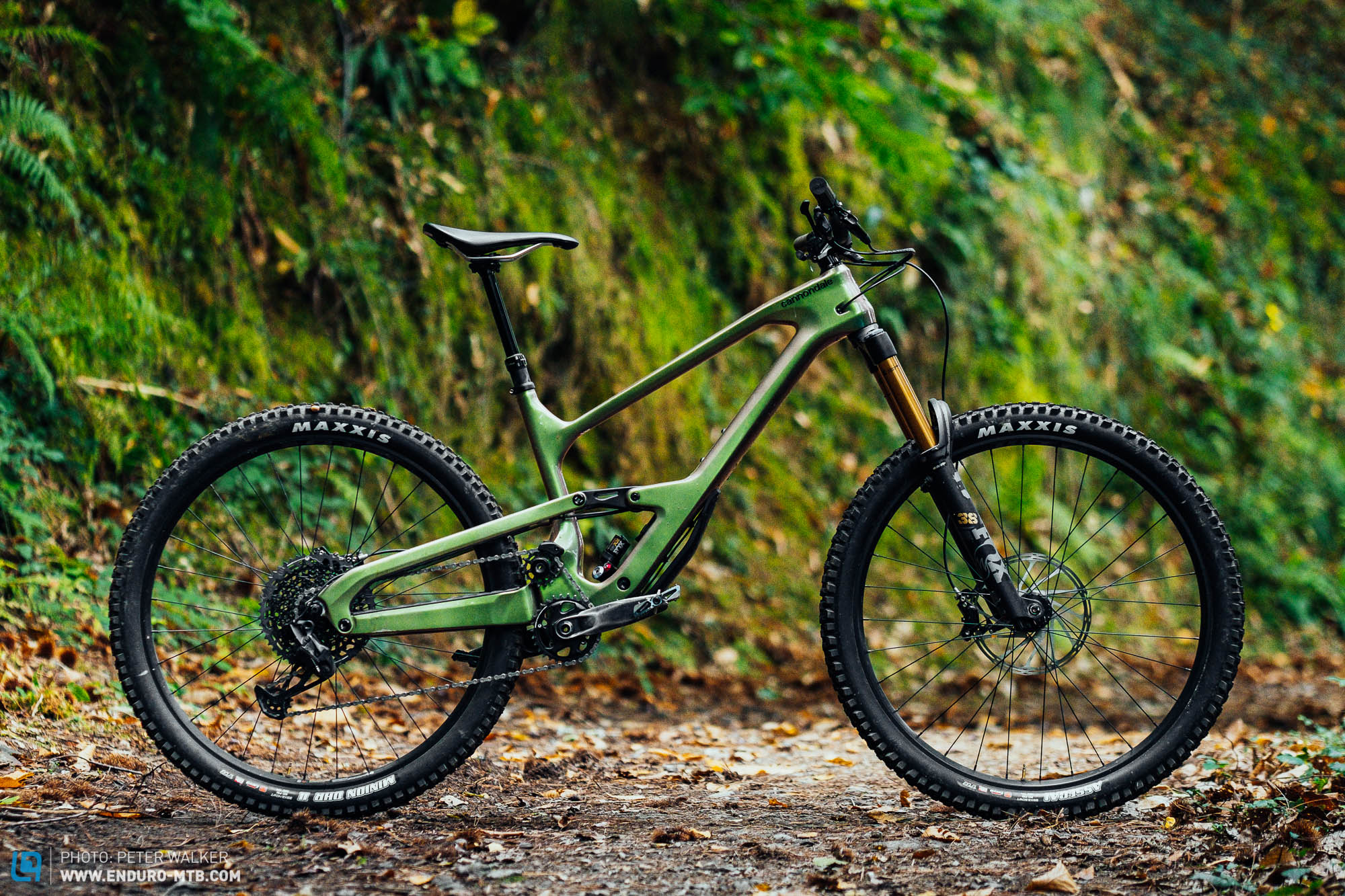
Cannondale Jekyll: Unleashing the Power of Enduro Mountain Biking
In the world of mountain biking, few names evoke as much excitement and reliability as Cannondale. Among their impressive lineup, the Cannondale Jekyll stands out as a true powerhouse designed for enduro enthusiasts who crave adrenaline-pumping descents and capable climbs. Whether you’re tackling rugged trails, rocky terrains, or steep drops, this bike promises a blend of innovation, performance, and durability that has made it a favorite among riders worldwide. In this comprehensive guide, we’ll dive deep into what makes the Cannondale Jekyll a top choice for serious mountain bikers, exploring its history, features, specs, and real-world performance.
If you’re in the market for a full-suspension mountain bike that can handle the toughest enduro challenges, the Cannondale Jekyll might just be your perfect match. Let’s break it down step by step.
A Brief History of the Cannondale Jekyll
The Cannondale Jekyll has a rich legacy in the mountain biking scene, evolving over the years to meet the demands of modern riders. First introduced in the early 2000s, it quickly gained a reputation for its versatile all-mountain capabilities. However, it was the 2022 redesign that truly propelled the Cannondale Jekyll into the spotlight of enduro biking.
Cannondale, a brand synonymous with cutting-edge technology, reimagined the Jekyll with a high-pivot suspension system—a feature borrowed from downhill racing bikes. This update aimed to enhance traction and control during high-speed descents while maintaining pedaling efficiency on climbs. Drawing inspiration from their racing heritage, including collaborations with professional enduro teams, the latest iterations of the Cannondale Jekyll incorporate carbon fiber frames for lightweight strength and advanced geometry for better handling.
Over the decades, the bike has seen multiple generations, each building on the last. From its initial aluminum frames to the current carbon masterpieces, the Cannondale Jekyll has adapted to trends like 29-inch wheels and longer travel suspensions. Today, it’s celebrated for bridging the gap between aggressive downhill machines and nimble trail bikes, making it ideal for riders who want one bike to rule them all.
Design Innovations That Set the Cannondale Jekyll Apart
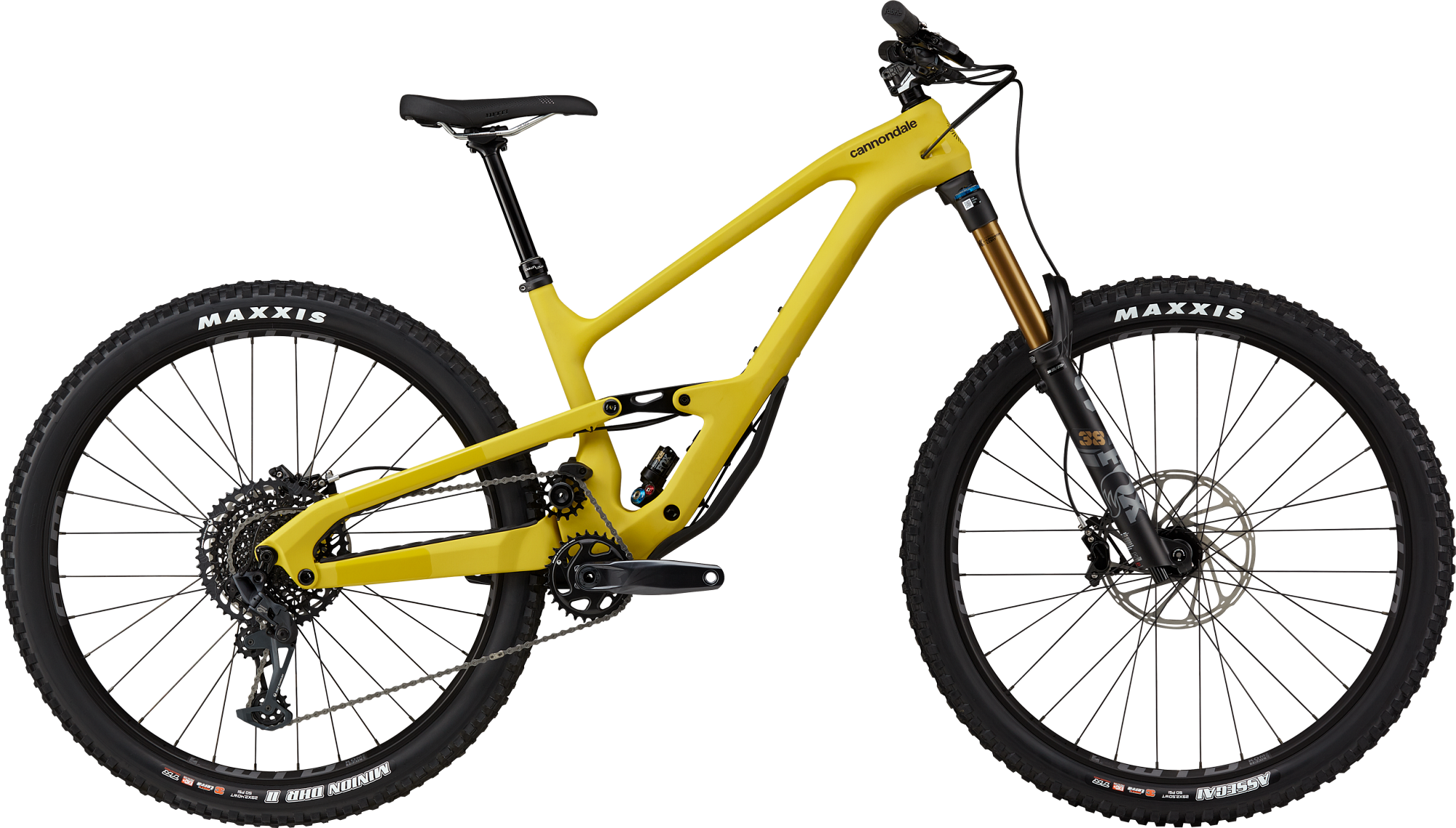
What truly distinguishes the Cannondale Jekyll is its thoughtful design philosophy. At the heart of the bike is the high-pivot four-bar linkage suspension, delivering 165mm of rear travel. This setup lowers the shock as much as possible, centralizing mass for improved stability and responsiveness. Paired with a 170mm fork, it provides ample cushioning for rough terrains without sacrificing agility.
The frame geometry is another highlight. With a 65-degree headtube angle and a reach of around 440mm in medium sizes, the Cannondale Jekyll offers a slack, confident stance on descents while remaining playful on technical sections. The chainstays measure about 442mm, striking a balance between stability and maneuverability. Riders often praise how this geometry allows the bike to “plow” through obstacles yet flick around corners with ease.
Cannondale’s attention to detail extends to component integration. The bike features internal cable routing for a clean look and easy maintenance, along with protective elements like chainstay guards to reduce noise and wear. Models like the Jekyll 1 come equipped with premium parts, including Fox Factory suspension components, SRAM GX Eagle drivetrains, and powerful brakes with 220mm front and 200mm rear rotors for superior stopping power.
One innovative aspect is the bike’s adaptability. The Cannondale Jekyll supports mixed wheel setups in some configurations, though the standard 29-inch wheels front and rear provide consistent rolling efficiency over varied terrain. This design choice ensures the bike excels in enduro races, where speed on both ups and downs is crucial.
Detailed Specifications of the Cannondale Jekyll
To give you a clear picture, let’s outline the key specifications of the popular Cannondale Jekyll 1 model from recent years. These specs can vary slightly by year and build, but they represent the core of what this bike offers.
| Component | Specification |
|---|---|
| Frame | Carbon fiber with high-pivot four-bar linkage |
| Rear Travel | 165mm |
| Fork | Fox Factory 38, 170mm travel |
| Shock | Fox Float Factory X2 |
| Wheels | 29-inch, with options for tubeless setup |
| Drivetrain | SRAM GX Eagle, 12-speed |
| Brakes | SRAM Code RSC, 220mm front / 200mm rear rotors |
| Tires | Maxxis Assegai front / Minion DHR II rear |
| Dropper Post | Fox Transfer Factory, 150-175mm depending on size |
| Weight | Approximately 15-16kg (depending on build) |
| Sizes Available | Small, Medium, Large, X-Large |
These components are chosen for their reliability and performance. For instance, the Maxxis tires provide excellent grip on loose or wet surfaces, while the dropper post allows quick saddle adjustments for optimal positioning during climbs and descents. The Cannondale Jekyll’s carbon frame not only shaves weight but also enhances stiffness, ensuring power transfer is efficient without flex.
In terms of pricing, entry-level models start around $4,000, while top-tier builds like the Jekyll 1 can reach $6,000 or more, offering great value compared to competitors with similar specs.
Performance Review: How the Cannondale Jekyll Handles on the Trail
Riding the Cannondale Jekyll is an experience that blends raw power with refined control. On descents, the high-pivot design shines, offering superior traction as the rear wheel tracks the ground more effectively. Reviewers note that it handles chunky rock gardens and high-speed sections with composure, absorbing impacts that might unsettle other bikes.
Climbing is where some enduro bikes falter, but not the Cannondale Jekyll. The suspension platform remains active yet efficient, preventing excessive bob under pedaling. Riders report that it climbs technical ascents better than expected for a 165mm travel bike, thanks to the low center of gravity and balanced weight distribution.
In corners, the bike’s maneuverability comes into play. It doesn’t feel overly long or cumbersome, allowing for quick direction changes. During jumps and drops, the progressive suspension ramps up support, providing a bottomless feel without harsh bottom-outs.
Long-term reviews highlight its durability. The frame holds up well against abuse, and components like the SRAM drivetrain shift crisply even after months of use. However, some users mention that the bike can feel a bit noisy on rough trails due to the idler pulley in the high-pivot system, though this is often mitigated with proper maintenance.
Overall, the Cannondale Jekyll excels in enduro scenarios but is versatile enough for all-day trail rides. It’s fast, predictable, and capable, making it a joy for intermediate to advanced riders.
Pros and Cons of Owning a Cannondale Jekyll
Like any bike, the Cannondale Jekyll has its strengths and areas for improvement. Here’s a balanced look:
Pros:
- Exceptional Descending Capability: The high-pivot suspension and slack geometry make it a beast on downhills.
- Balanced Handling: Offers a mix of stability and playfulness, suitable for various riding styles.
- Premium Components: High-end specs provide value and performance out of the box.
- Lightweight Yet Durable: Carbon frame keeps weight down without compromising strength.
- Versatile for Enduro and Trails: Handles races and casual rides equally well.
Cons:
- Potential Noise: The idler pulley can produce some chain noise on rough terrain.
- Price Point: Higher-end models are an investment, though justified by quality.
- Limited Customization Out of Box: Some riders may want to tweak components for personal fit.
- Weight on Climbs: While efficient, it’s not the lightest climber in its class.
These factors make the Cannondale Jekyll a solid pick for those prioritizing fun and capability over ultra-lightweight efficiency.
Comparing the Cannondale Jekyll to Competitors
In the enduro category, the Cannondale Jekyll faces stiff competition from bikes like the Santa Cruz Nomad, Yeti SB165, and Specialized Enduro. Compared to the Nomad, the Jekyll offers similar travel but with a more affordable entry price and unique high-pivot advantages for better traction.
Against the Yeti SB165, which also boasts 165mm travel, the Cannondale Jekyll stands out with its lower shock placement for improved center of gravity, potentially giving it an edge in stability. The Specialized Enduro, with its adjustable geometry, provides more customization, but the Jekyll’s stock setup is often praised for being spot-on for most riders.
Ultimately, if you value innovative suspension and a balanced ride, the Cannondale Jekyll holds its own, especially in reviews where it’s lauded for value and performance.
Buying Guide: Is the Cannondale Jekyll Right for You?
Before purchasing a Cannondale Jekyll, consider your riding style and needs. If you’re an enduro racer or love technical descents, this bike is a no-brainer. Beginners might find it overkill, but intermediates will appreciate its forgiving nature.
Check local dealers for test rides, as fit is crucial—sizes range from small to extra-large. Look for deals on previous-year models to save money. Maintenance is straightforward, but regular checks on the pivot points and shock are recommended.
Accessories like upgraded pedals, protective gear, or a bike rack can enhance your experience. With proper care, the Cannondale Jekyll can last for years of thrilling rides.
Final Thoughts on the Cannondale Jekyll
The Cannondale Jekyll embodies the spirit of enduro mountain biking—powerful, versatile, and endlessly fun. From its innovative design to its trail-conquering performance, it’s a bike that inspires confidence and pushes boundaries. Whether you’re shredding local trails or competing in events, this machine delivers.
If you’re ready to elevate your riding game, explore the Cannondale Jekyll today. It’s more than just a bike; it’s a gateway to unforgettable adventures on two wheels.