
The Ultimate Guide to the Cannondale Lefty Bicycle: Innovation on Two Wheels
In the world of mountain biking and gravel riding, few innovations stand out quite like the Cannondale Lefty bicycle. This unique design has captured the attention of cyclists for decades, blending cutting-edge technology with practical performance. Whether you’re a seasoned trail rider or just dipping your toes into off-road adventures, understanding the Cannondale Lefty bicycle can help you appreciate why it’s a game-changer in the cycling industry. In this comprehensive guide, we’ll dive deep into its history, features, models, pros and cons, maintenance tips, and real-user experiences to give you a full picture.
A Brief History of the Cannondale Lefty Bicycle
The story of the Cannondale Lefty bicycle begins with Cannondale Bicycle Corporation, an American brand founded in 1971. Known for pushing boundaries, Cannondale introduced its first suspension innovations in the early 1990s. The Lefty fork, a hallmark of the Cannondale Lefty bicycle, made its debut in 1992 with the Delta V fork, which featured a unique design moving the spring and damper into the head tube for better efficiency. This early version provided about 50mm of travel and set the stage for what would become an iconic single-sided suspension system.
By the early 2000s, the Lefty evolved significantly. Models like the Jekyll full-suspension bike in 2001 integrated the Lefty fork, offering adjustable travel and enhanced stiffness. Over the years, Cannondale refined the design, leading to milestones like the Lefty Ocho in 2018—a lightweight, single-crown fork aimed at cross-country (XC) riders. Today, the Cannondale Lefty bicycle represents a blend of heritage and modern engineering, appearing in various bike categories from XC racers to gravel explorers.
This evolution wasn’t just about aesthetics; it was driven by a need for lighter, stiffer, and more responsive forks. Cannondale’s commitment to innovation has kept the Lefty relevant, even as competitors flood the market with dual-crown options.
Key Features and Technology Behind the Cannondale Lefty Bicycle
What makes the Cannondale Lefty bicycle so special? At its core is the single-sided fork design, which eliminates the traditional second leg for reduced weight and improved aerodynamics. This setup uses needle bearings to minimize friction, or “stiction,” ensuring smooth travel over rough terrain. The latest iterations, like the Lefty Ocho, boast a carbon or alloy construction that’s torsionally stiff yet compliant.
One standout feature is the integrated damper and spring system housed in the head tube. This not only saves weight—often shaving off hundreds of grams compared to standard forks—but also enhances steering precision. Riders report that the Cannondale Lefty bicycle feels “tight and normal” during hard rides, with superior damping that handles bumps without excessive dive.
Other notable tech includes:
- Travel Options: From 30mm in gravel models like the Oliver Lefty to 120mm or more in XC bikes, catering to different riding styles.
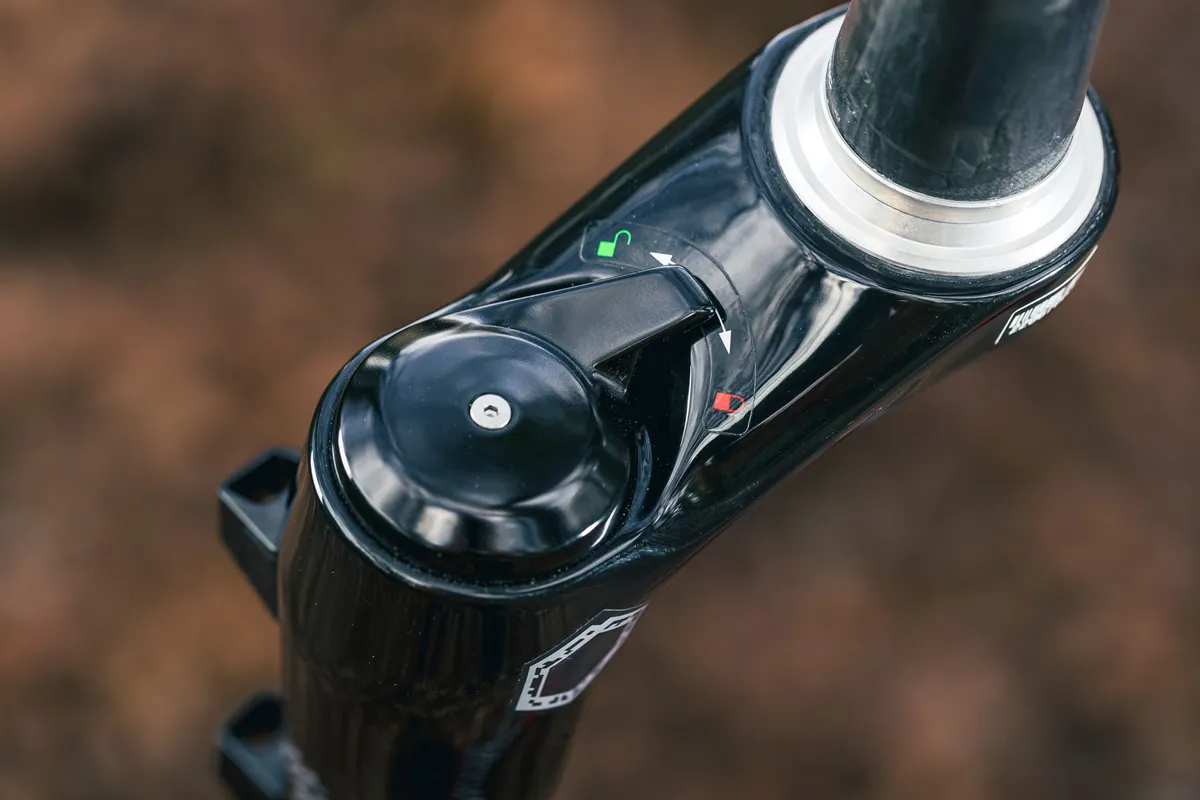
- Lockout Mechanisms: Many versions feature remote lockouts for quick transitions between climbing and descending.
- Compatibility: Designed for disc brakes and often paired with Cannondale’s proprietary hubs, ensuring seamless integration.
- Materials: High-end models use carbon fiber for ultimate lightness, while alloy options provide durability at a lower cost.
For gravel enthusiasts, the Oliver Lefty Carbon fork offers rapid bump response and balanced performance on mixed surfaces. It’s this combination of features that makes the Cannondale Lefty bicycle a favorite for those seeking efficiency without sacrificing comfort.
To visualize the intricate design, here’s a close-up of the Lefty fork in action:

And another detailed view highlighting the single-sided structure:
Popular Models of the Cannondale Lefty Bicycle
Cannondale offers the Lefty across several bike lines, each tailored to specific terrains. Here’s a breakdown of some top models:
Scalpel Series: For XC Racing
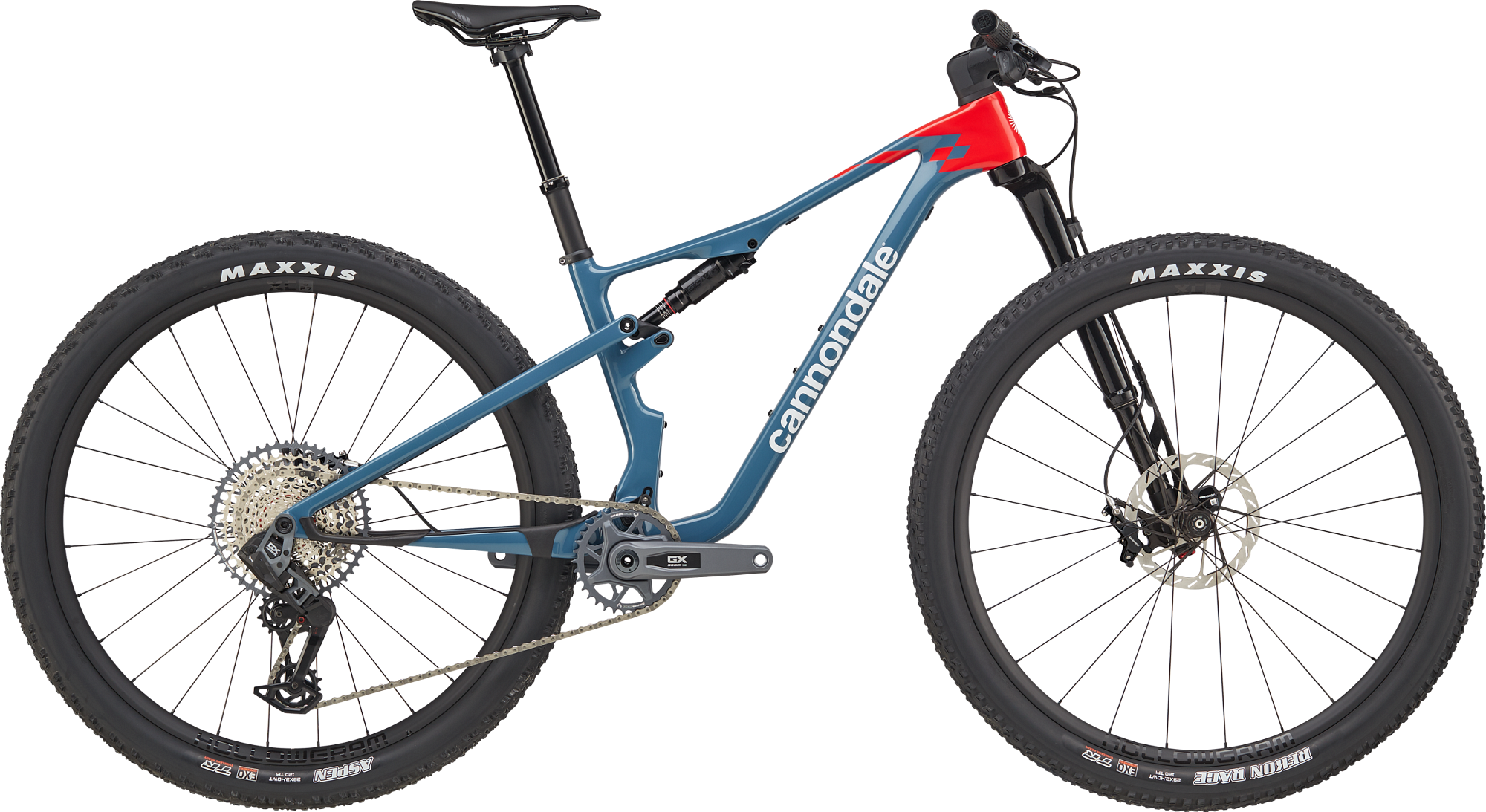
The Scalpel 1 Lefty and Scalpel 2 Lefty are full-suspension XC beasts with modern geometry, increased travel (up to 120mm), and stable handling. These Cannondale Lefty bicycles excel in competitive racing, with lightweight frames and precise steering.
Topstone Carbon Lefty: Gravel Adventure
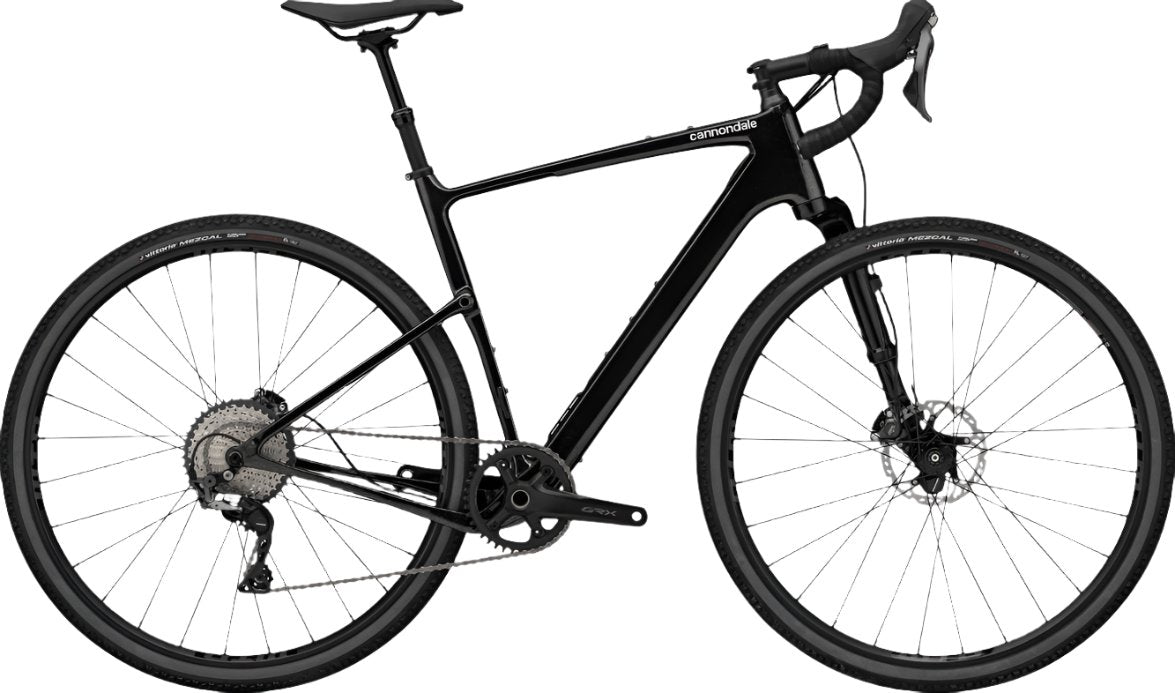
Models like the Topstone Carbon 2 Lefty and Topstone Neo Carbon Lefty 3 blend gravel capabilities with electric assist options. Featuring the Oliver fork with 30mm travel, they’re perfect for long, rough rides. Customizations, such as upgrading to carbon rims or bigger cassettes, are common among owners.
Jekyll: Enduro and Trail
Though older, the Jekyll with Lefty remains a cult favorite for its adjustable geometry and robust build.
For a full view of a Scalpel 2 Lefty model:
And the Topstone Carbon 2 Lefty in its gravel-ready glory:
Pros and Cons of Riding a Cannondale Lefty Bicycle
Like any specialized gear, the Cannondale Lefty bicycle has its strengths and weaknesses.
Pros:
- Lightweight Design: Often lighter than dual-leg forks, improving overall bike efficiency.
- Stiffness and Responsiveness: Excellent torsional rigidity for precise control on technical trails.
- Unique Aesthetics: Stands out visually, appealing to riders who want something different.
- Reliability: Users praise its durability, with some riding hard for years without issues.
- Versatility: Suitable for XC, gravel, and even urban commuting.
Cons:
- Proprietary Parts: Maintenance can require specific tools and parts, potentially increasing costs.
- Learning Curve: The single-sided design might feel unusual at first for new riders.
- Availability: Not as widespread as standard forks, limiting upgrade options.
- Price: High-end Cannondale Lefty bicycles can be premium-priced.
Overall, the pros outweigh the cons for dedicated off-road cyclists.
Maintenance Tips for Your Cannondale Lefty Bicycle
Keeping your Cannondale Lefty bicycle in top shape is crucial for longevity. Start with regular cleaning: Wipe down the fork after rides to prevent dirt buildup. For the needle bearings, Cannondale recommends periodic lubrication—every 50-100 hours of riding.
Check for play in the hub and fork alignment. If you notice issues like uneven braking, a professional alignment correction might be needed. For models with air springs, maintain proper pressure based on your weight and riding style.
Upgrades like switching to BOOST-compatible hubs or custom wheels can enhance performance, as seen in user customizations. Always refer to Cannondale’s official manuals for model-specific advice.
Here’s a diagram of key components to help with understanding maintenance:
Real-User Reviews and Experiences
From online forums to social media, riders rave about the Cannondale Lefty bicycle. One Reddit user called it “as reliable as a regular fork while much lighter,” noting its performance on demanding trails. On YouTube, long-term reviews of the Topstone Carbon Lefty highlight its smoothness and speed on gravel.
X (formerly Twitter) posts show enthusiasts customizing their rides, from hub swaps to color-matched decals. A Japanese bike shop frequently shares builds, emphasizing the Lefty’s adaptability for e-bikes and gravel setups.
Even in urban settings, users like one who rode it on the Five Boro Bike Tour in New York praise its versatility. Professional reviews, such as from Pinkbike, commend the Ocho’s lightweight stiffness for XC racing.
To see the Cannondale Lefty bicycle tackling trails:

And another action shot for inspiration:

Comparisons: How the Cannondale Lefty Bicycle Stacks Up
Compared to traditional forks like RockShox or Fox, the Cannondale Lefty bicycle offers superior weight savings and reduced stiction. However, it may lack the plushness of some high-end dual-leg options on extreme enduro runs. Against competitors like Lauf or Rigid forks in gravel, the Lefty provides active suspension for better comfort over long distances.
In terms of value, entry-level Lefty models compete well with mid-range alternatives, especially for those prioritizing innovation.
Conclusion: Is the Cannondale Lefty Bicycle Right for You?
The Cannondale Lefty bicycle isn’t just a bike—it’s a statement of engineering prowess. With its rich history, advanced features, and proven performance, it’s ideal for riders who value lightness, stiffness, and uniqueness. Whether you’re racing XC trails, grinding gravel roads, or exploring urban paths, this design delivers. If you’re in the market, test ride one to feel the difference. Remember, proper maintenance and understanding its quirks will maximize your enjoyment.