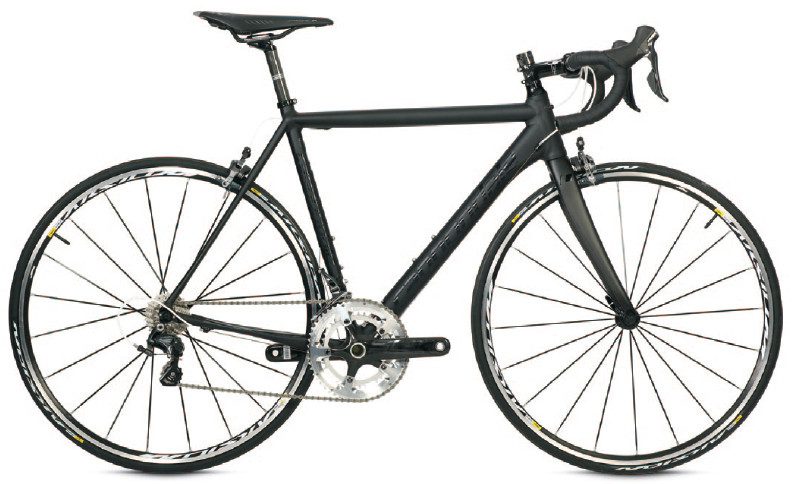
Cannondale CAAD 10: A Timeless Aluminum Road Bike Masterpiece
In the world of cycling, where carbon fiber often steals the spotlight, there’s something truly special about a well-crafted aluminum road bike. The Cannondale CAAD 10 stands out as a prime example of engineering excellence that combines affordability, performance, and durability. Whether you’re a seasoned rider looking for a reliable training bike or a beginner dipping your toes into road cycling, the Cannondale CAAD 10 offers a ride quality that punches above its weight class. In this comprehensive review, we’ll dive deep into what makes this bike a favorite among enthusiasts, exploring its history, specifications, real-world performance, and more.
If you’ve been searching for a road bike that delivers speed and responsiveness without breaking the bank, the Cannondale CAAD 10 might just be the perfect fit. Launched as part of Cannondale’s iconic CAAD (Cannondale Advanced Aluminum Design) lineup, this model has earned a reputation for being one of the best aluminum frames ever produced. Let’s break it down step by step.
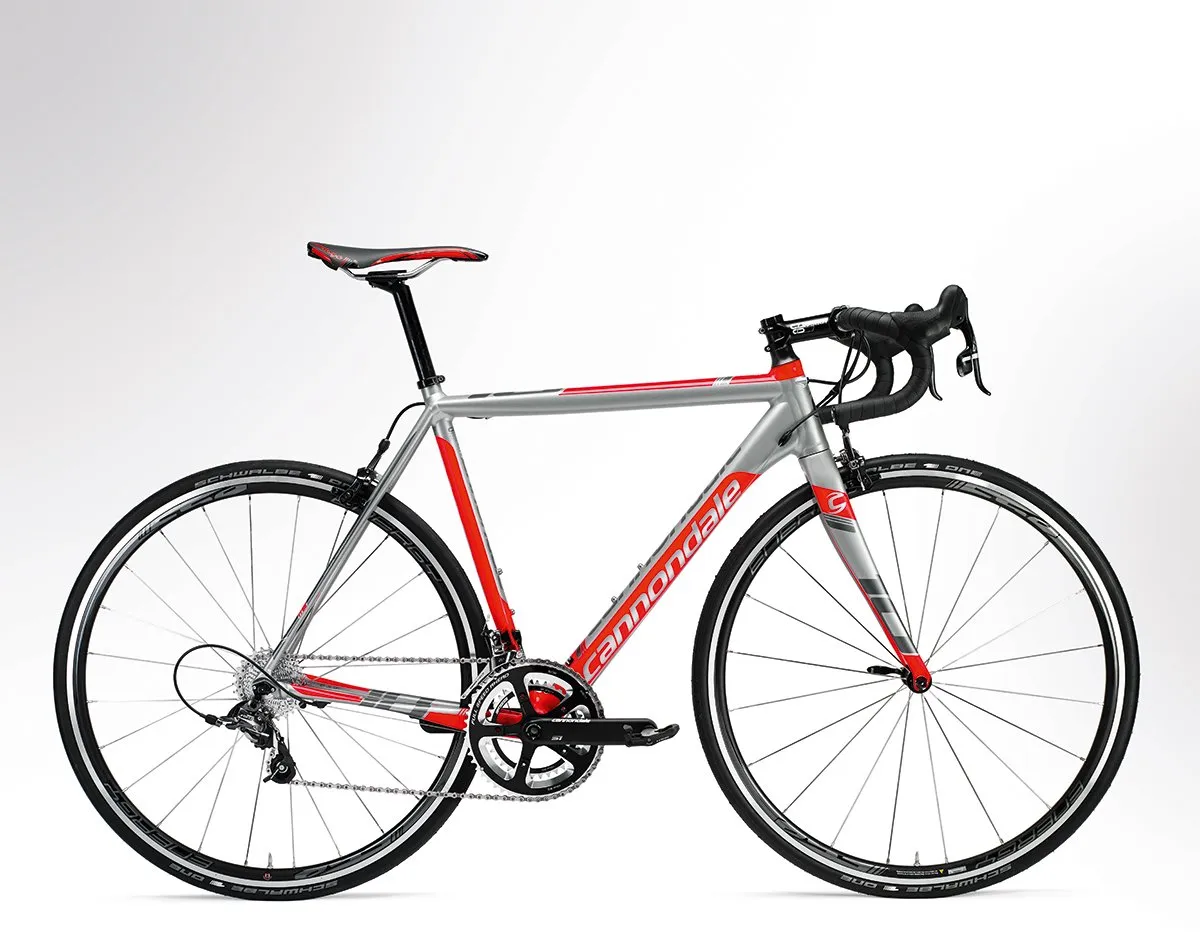
The History Behind the Cannondale CAAD 10
Cannondale’s journey with aluminum bikes began back in 1983 when they introduced their first aluminum frame. Over the decades, the CAAD series evolved, pushing the boundaries of what metal frames could achieve. The Cannondale CAAD 10, introduced around 2010, represented the tenth iteration of this legendary line. It was designed during a time when carbon was becoming dominant, yet Cannondale proved that aluminum could still compete at the highest levels.
What set the Cannondale CAAD 10 apart was its focus on advanced manufacturing techniques. Using 6061 aluminum alloy, Cannondale employed hydroforming and butting to create a frame that’s both lightweight and incredibly stiff. This model was often hailed as the “pinnacle of aluminum frames,” blending old-school toughness with modern performance. Riders appreciated how it carried forward the legacy of earlier CAAD models while incorporating updates like a full carbon fork for improved vibration damping.
By the mid-2010s, the Cannondale CAAD 10 had become a staple in amateur racing circuits and group rides. Even today, in 2025, vintage models are sought after on the used market for their reliability and upgrade potential. If you’re into cycling history, the CAAD series is a testament to innovation, and the Cannondale CAAD 10 is a highlight in that story.
Design and Build Quality of the Cannondale CAAD 10
At the heart of the Cannondale CAAD 10 is its frame, crafted from high-grade aluminum that’s been meticulously shaped for optimal strength-to-weight ratio. The frame weighs in at approximately 1,274 grams for a medium size, which is remarkably light for an aluminum build. Paired with a full carbon fork adding about 420 grams, the overall bike often tips the scales at around 16 to 18 pounds, depending on the components.
The geometry is race-oriented, with a steep head tube angle for quick handling and a compact rear triangle for efficient power transfer. Features like SAVE (Synapse Active Vibration Elimination) technology in the stays help absorb road buzz, making long rides more comfortable than you’d expect from metal. The welds are smooth and nearly invisible, a hallmark of Cannondale’s craftsmanship.
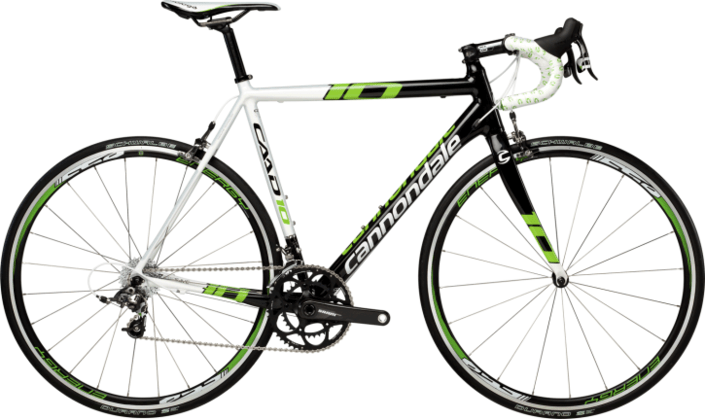
Available in various color schemes, from sleek black to vibrant team editions, the Cannondale CAAD 10 looks as good as it rides. It’s built to last, with many owners reporting thousands of miles without issues. If durability is a priority, this bike’s aluminum construction resists the cracks that can plague carbon frames under heavy use.
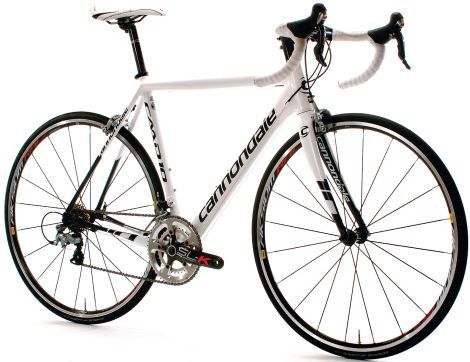
Key Specifications and Components
Diving into the specs, the Cannondale CAAD 10 came in several configurations to suit different budgets. Entry-level models featured Shimano 105 groupsets, while higher-end versions boasted Ultegra or even SRAM Force components. Here’s a breakdown of a typical mid-range build:
- Frame: CAAD10 aluminum with SPEED SAVE micro-suspension.
- Fork: Full carbon CAAD10, 1-1/8″ to 1-1/4″ steerer.
- Wheels: Often Mavic Aksium or similar alloy rims, known for their reliability.
- Drivetrain: 2×10 or 2×11 speed, with compact cranksets (50/34) for versatile gearing.
- Brakes: Dual-pivot caliper brakes, providing strong stopping power.
- Tires: Typically 700x23c or 700x25c for a balance of speed and comfort.
- Weight: Around 17 lbs 14 oz for a 60cm frame in some builds.
Cannondale offered sizes from 48cm to 63cm, ensuring a fit for most riders. Upgrades were easy, as the frame accepted modern components like electronic shifting or wider tires for gravel adventures. In terms of value, models like the Cannondale CAAD 10 105 were praised for delivering pro-level performance at an accessible price point.
For those interested in customization, the bike’s BB30 bottom bracket standard allows for stiffer, lighter cranksets. Overall, the specifications make the Cannondale CAAD 10 a versatile platform that’s as capable on climbs as it is on sprints.
Performance on the Road: How the Cannondale CAAD 10 Rides
Riding the Cannondale CAAD 10 is an experience that blends raw power with surprising refinement. The aluminum frame provides instant acceleration – stomp on the pedals, and it surges forward with enthusiasm. Reviewers often note its “unique ride quality,” stiffer than many carbon bikes but without the harshness of lesser aluminum models.
On climbs, the lightweight build shines, helping you maintain momentum without feeling bogged down. Descents are confident, thanks to the precise handling and stable geometry. While it doesn’t isolate road vibrations as well as full-carbon bikes like the Supersix Evo, the SAVE features do a commendable job, making it suitable for long endurance rides.
In group settings or races, the Cannondale CAAD 10 excels at quick maneuvers. Its responsiveness makes it a “superbike killer,” capable of keeping up with more expensive carbon rigs. Owners love the audible “click” from the hubs during freewheeling, adding to the engaging ride feel. If you’re training for events or just enjoying weekend spins, this bike delivers smiles per mile.
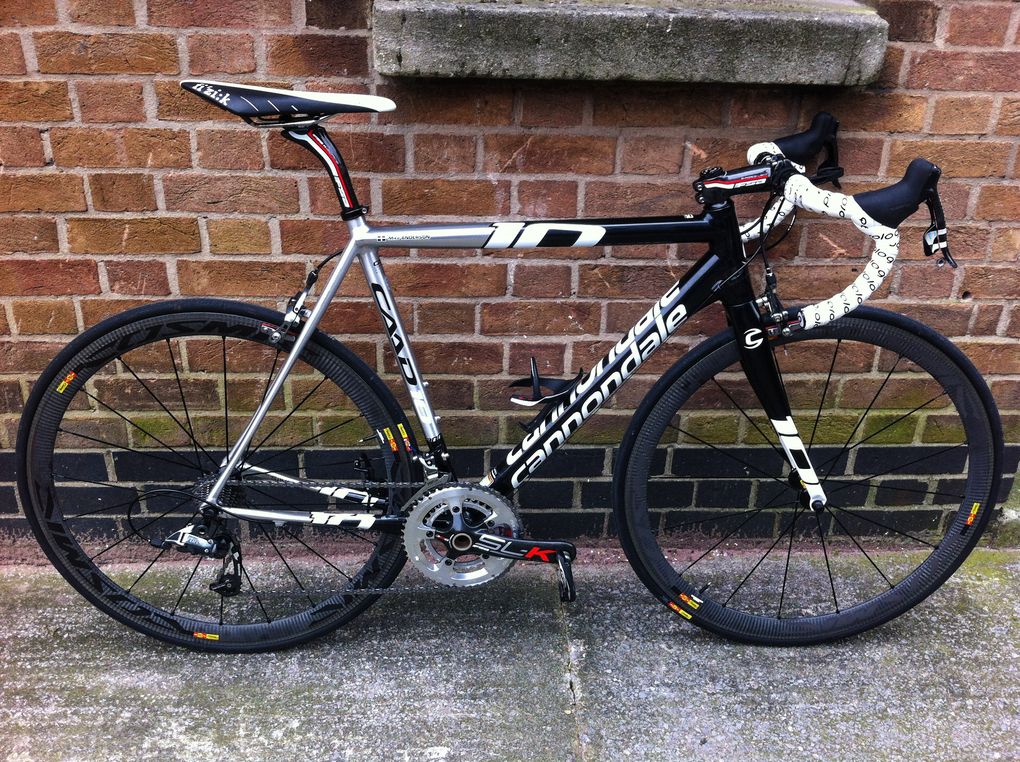
Pros and Cons of Owning a Cannondale CAAD 10
Like any bike, the Cannondale CAAD 10 has its strengths and weaknesses. Here’s a balanced look:
Pros:
- Exceptional Value: High performance at a fraction of carbon bike costs.
- Durability: Aluminum frame withstands daily abuse and crashes better than carbon.
- Lightweight for Aluminum: Competes with entry-level carbon in weight.
- Upgrade-Friendly: Easy to modernize with new components.
- Versatile: Great for racing, training, or commuting.
Cons:
- Ride Comfort: Can feel harsher on rough roads compared to carbon.
- Outdated Tech: Older models lack disc brakes or thru-axles found in newer bikes.
- Availability: As a discontinued model, new ones are rare; used market varies.
- Weight Penalty: Slightly heavier than top-tier carbon options.
Overall, the pros outweigh the cons for most riders, especially those prioritizing bang for the buck.
Comparing the Cannondale CAAD 10 to Modern Alternatives
How does the Cannondale CAAD 10 stack up against today’s bikes? Compared to its successor, the CAAD13, it lacks some aero tweaks and disc brakes, but the ride feel is similar. Against carbon bikes like the Trek Emonda ALR, the CAAD 10 holds its own in stiffness and price, though carbon offers better compliance.
For budget-conscious buyers, it’s often compared to the Giant Contend or Specialized Allez. The Cannondale CAAD 10 edges out in frame quality, with many calling it superior to other aluminum offerings. If you’re eyeing a used CAAD 10 versus a new entry-level bike, the former often provides better specs for the money.
In tests, it’s been versatile enough to evolve with your riding – add wider tires for light gravel, or go full aero for time trials. It’s a bike that grows with you.
Who Should Buy the Cannondale CAAD 10?
The Cannondale CAAD 10 is ideal for intermediate riders seeking a step up from basic bikes without jumping to premium carbon. It’s perfect for club rides, centuries, or even entry-level racing. Beginners will appreciate its forgiving nature, while experts use it as a winter trainer or backup rig.
If you value mechanical simplicity over the latest tech, this bike fits the bill. Look for used models in good condition – a well-maintained Cannondale CAAD 10 can last decades. Check Cannondale’s bike archive for catalogs and specs to match your needs.
Final Thoughts on the Cannondale CAAD 10
In summary, the Cannondale CAAD 10 remains a benchmark for aluminum road bikes, offering a blend of speed, strength, and style that’s hard to beat. Whether you’re accelerating up hills or cruising on flats, it delivers a thrilling ride that’s accessible to many. While cycling tech has advanced, the timeless appeal of the Cannondale CAAD 10 endures, proving that great bikes don’t always need to be made of carbon.
If you’re in the market, hunt for one and experience the hype for yourself. Happy riding!