
Cannondale Bicycles: Revolutionizing the Cycling World with Innovation and Quality
Welcome to our in-depth exploration of one of the most influential names in the cycling industry. If you’re passionate about bikes, whether for leisurely rides, intense competitions, or daily commutes, you’ve likely encountered the brand that has been pushing boundaries for decades. In this comprehensive guide, we’ll dive into the rich history, groundbreaking technologies, diverse product offerings, and much more that make this American cycling powerhouse a favorite among enthusiasts worldwide. Whether you’re a seasoned rider or just starting out, understanding what sets these bikes apart can help you make informed choices for your next adventure on two wheels.

The Origins and Evolution of Cannondale
The story begins in 1971, above a pickle factory in Wilton, Connecticut, where a small team of visionaries set out to create better cycling gear. Initially, the company focused on producing touring bags and camping equipment, but it wasn’t long before they shifted gears toward bicycle manufacturing. By 1983, they had introduced their first aluminum-framed bike, a move that challenged the steel-dominated market and set the stage for future successes.
This early pivot was driven by a commitment to innovation. Founders Joe Montgomery and his team recognized that aluminum offered lighter weight and greater stiffness compared to traditional materials, allowing for faster and more responsive rides. Over the years, the brand expanded rapidly, entering the mountain biking scene in the 1980s and sponsoring professional teams that achieved remarkable victories, including the Giro d’Italia in 1988. This sponsorship marked them as the first U.S. manufacturer to back a European pro road team, highlighting their global ambitions.
In the 1990s, the company continued to grow, introducing carbon fiber elements and pioneering suspension systems. A significant milestone came in 1997 with the launch of the CAAD (Cannondale Advanced Aluminum Design) series, which became synonymous with high-performance road cycling. Despite facing financial challenges in the early 2000s, including a bankruptcy filing, the brand rebounded under new ownership and is now part of Pon Holdings, a Dutch conglomerate that has fueled further expansion.
Today, headquartered in Wilton, Connecticut, the company operates with a blend of American ingenuity and global reach, producing bikes that are assembled in facilities around the world, including a state-of-the-art plant in the Netherlands to serve European markets. Their journey from humble beginnings to a leader in the industry underscores a relentless pursuit of excellence, making every model a testament to thoughtful engineering.

Groundbreaking Innovations That Define Cannondale
What truly distinguishes this brand is its dedication to technological advancements that enhance rider experience. One of the most iconic features is the Lefty fork, a single-sided suspension system introduced in the late 1990s. This design reduces weight, improves aerodynamics, and provides superior handling, especially on rough terrains. It’s a prime example of how the company challenges conventional wisdom to deliver better performance.
Another key innovation is the System Integration (Si) technology, which optimizes the interaction between frame, fork, and components for seamless efficiency. This includes proprietary cranksets and headsets that minimize flex and maximize power transfer. In terms of materials, the brand has mastered the use of high-modulus carbon fiber and advanced aluminum alloys, resulting in frames that are both lightweight and durable.
Sustainability has also become a focus in recent years. The company incorporates eco-friendly practices in manufacturing, such as using recycled materials and reducing waste. Their electric bike lines feature Bosch or Shimano motors integrated flawlessly into the frame, offering assisted pedaling without compromising the natural feel of cycling. These innovations have earned numerous awards, including accolades from cycling magazines for bike of the year honors.
For riders seeking customization, the Lab71 program allows for premium, handcrafted models with top-tier components. This level of detail ensures that whether you’re tackling a mountain trail or a city street, your bike performs optimally.
Exploring the Diverse Product Lines
The brand offers a wide array of bicycles tailored to different riding styles, ensuring there’s something for everyone. Let’s break down the main categories.
Road Bikes: Speed and Efficiency on Pavement
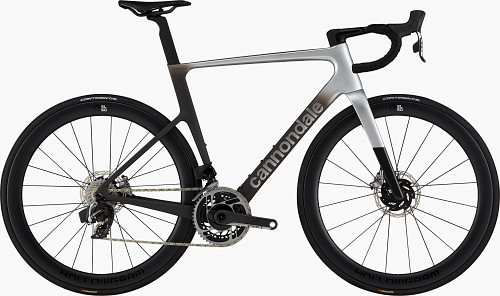
For those who crave the thrill of the open road, the road bike collection is unparalleled. Models like the SuperSix EVO emphasize aerodynamics and lightness, making them ideal for competitive racing or long-distance touring. Constructed with high-modulus carbon, these bikes weigh as little as 7kg, allowing for swift climbs and rapid descents.
The Synapse series, on the other hand, prioritizes comfort with endurance geometry and vibration-dampening features, perfect for gravel adventures or casual rides. Integrated cable routing and disc brakes enhance control and aesthetics, while compatibility with electronic shifting systems adds modern convenience.
Mountain Bikes: Conquering Trails with Confidence
Off-road enthusiasts will appreciate the robust mountain bike lineup. The Scalpel series features full-suspension designs with the FlexPivot technology, which replaces traditional linkages for a lighter, more responsive ride. These bikes excel in cross-country racing, offering 100-120mm of travel to absorb shocks from roots and rocks.
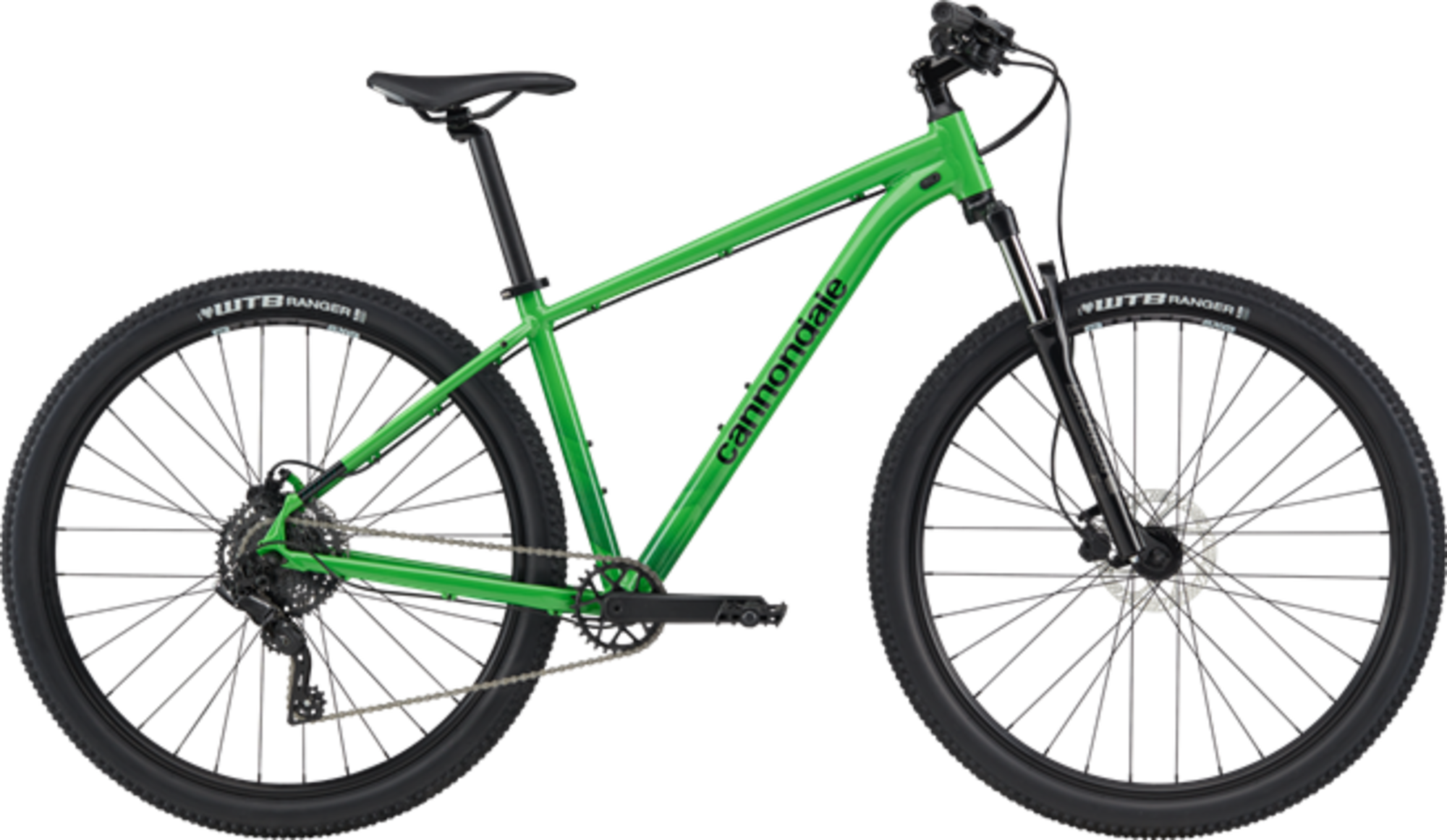
For trail riding, the Habit models provide a balanced geometry that handles both climbs and descents effortlessly. Aluminum options like the Trail series make entry-level mountain biking accessible without sacrificing quality, featuring reliable components from SRAM or Shimano.
Electric Bikes: Power-Assisted Adventures
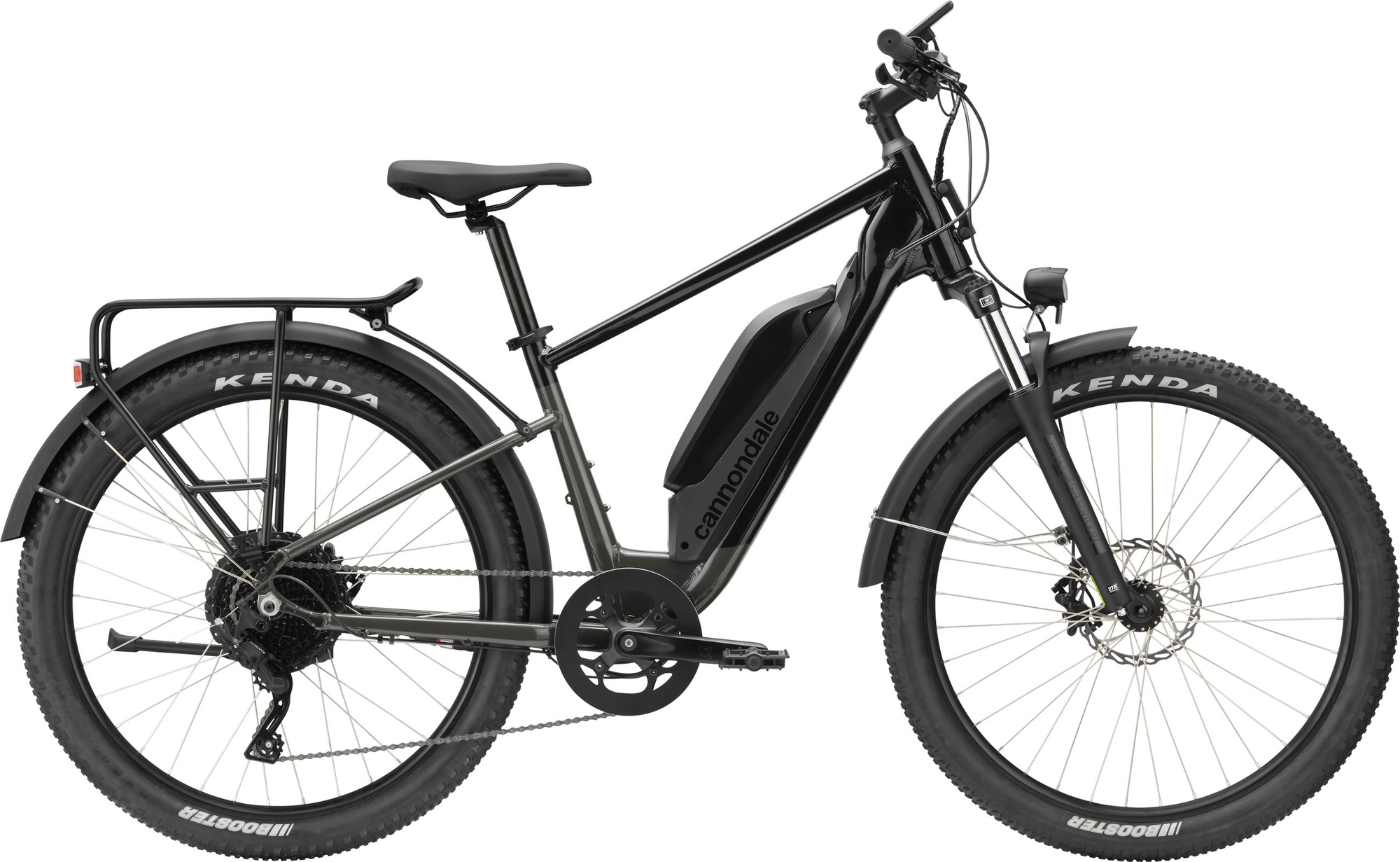
As e-bikes gain popularity, the brand’s electric offerings stand out for their integration and versatility. The Adventure Neo series combines urban commuting with light off-road capability, powered by Bosch motors that deliver up to 75Nm of torque. These models include features like integrated lights, racks, and fenders for practical use.
For more rugged pursuits, the Trail Neo brings electric assistance to mountain trails, extending your range and reducing fatigue on long rides. With battery capacities up to 750Wh, you can explore farther than ever before.
Other Categories: Urban, Gravel, and More
Beyond these, the lineup includes urban commuters like the Quick series for city navigation and gravel bikes such as the Topstone for mixed-surface exploration. Women’s-specific models ensure ergonomic fits, while kids’ bikes introduce the next generation to cycling fun.
Iconic Models and Professional Endorsements
Several models have achieved legendary status. The CAAD13 continues the aluminum legacy with modern updates, proving that non-carbon frames can still compete at the highest levels. In professional cycling, teams like EF Education-EasyPost rely on these bikes for Grand Tour victories, showcasing their reliability under extreme conditions.
Endorsements from athletes like mountain bike legend Tinker Juarez and road pros have solidified the brand’s reputation. Their involvement in events like the Tour de France and UCI World Championships demonstrates real-world performance.

Why Riders Choose Cannondale Over Competitors
In a crowded market, what makes this brand a top choice? It’s the perfect blend of heritage, innovation, and rider-centric design. Unlike some competitors, they prioritize American engineering roots while embracing global manufacturing efficiencies. Their bikes often receive high marks for value, with mid-range models offering features typically found in premium tiers.
Customer reviews highlight the durability and smooth ride quality, with many appreciating the lifetime warranties on frames. Sustainability efforts, such as reducing carbon footprints in production, appeal to eco-conscious consumers.
Tips for Buying Your First Cannondale Bike
If you’re ready to invest, start by assessing your riding style—road, trail, or commute? Visit a local dealer for a professional fitting to ensure comfort. Budget-wise, entry-level models start around $500, while high-end options can exceed $10,000. Look for sales or certified pre-owned bikes for savings.
Consider accessories like helmets, locks, and maintenance kits to complement your purchase. Online resources, including the official website, offer sizing guides and virtual configurators.
Final Thoughts on Cannondale’s Lasting Impact
From its innovative beginnings to its current status as a cycling icon, this brand continues to inspire riders everywhere. With a focus on performance, sustainability, and accessibility, their bicycles aren’t just vehicles—they’re gateways to adventure. Whether you’re hitting the pavement or the dirt, exploring what this company offers can elevate your cycling experience to new heights. If you’re in the market for a bike that combines history with cutting-edge tech, look no further. Happy riding!