
Exploring the World of Cannondale Bicycle: A Comprehensive Guide to Innovation and Adventure
In the ever-evolving landscape of cycling, few brands have left as indelible a mark as Cannondale. Whether you’re a seasoned road warrior, a trail enthusiast, or someone dipping their toes into urban commuting, a Cannondale bicycle offers a blend of performance, durability, and cutting-edge technology that stands out in a crowded market. This guide dives deep into the essence of what makes a Cannondale bicycle so special, from its rich history to the latest models dominating the scene in 2025. If you’re considering investing in a new ride or simply curious about this iconic brand, read on to discover why Cannondale continues to captivate cyclists worldwide.
The Fascinating History of Cannondale Bicycle
The story of Cannondale Bicycle Corporation begins not with bikes, but with an unexpected venture into precast concrete housing back in 1971. Founded by Joe Montgomery and Murdock MacGregor in Wilton, Connecticut—named after the nearby Cannondale Metro North train station—the company initially focused on innovative products like air conditioners without moving parts and bicycle trailers known as “the Bugger.” This early pivot to cycling accessories marked the beginning of their ascent in the bike world. By the mid-1970s, Cannondale had become the world’s largest manufacturer of lightweight bicycle bags, expanding into camping gear like backpacks and tents.
The real breakthrough came in the 1980s when engineer Todd Patterson developed advanced jigging and welding processes for aluminum frames. This innovation allowed Cannondale to transition into full-fledged bicycle manufacturing, specializing in aluminum and later carbon fiber frames. Milestones like the 1984 SM-500 mountain bike, which featured a unique 26-inch front and 24-inch rear wheel for better traction, showcased their commitment to pushing boundaries. The 1990s brought further advancements, including the Headshok suspension fork in 1992 and the CAAD (Cannondale Advanced Aluminum Design) series, starting with the lightweight 2.8 series frame.
Despite challenges, such as a 2003 bankruptcy due to an unprofitable motorsports division, Cannondale rebounded under new ownership. Acquired by Pegasus Capital Advisors and later by Dorel Industries in 2008, the brand shifted production to Taiwan while maintaining engineering hubs in Connecticut and Germany. By 2022, Pon Holdings—a Dutch mobility group—took over, ensuring continued innovation. As of 2025, Cannondale remains a leader in high-performance bikes, with a legacy of racing successes, including multiple Giro d’Italia wins and Olympic medals in mountain biking.
To visualize this evolution, here’s a glimpse into a vintage Cannondale model that captures the brand’s early spirit.

Key Innovations and Technologies in Cannondale Bicycle Design
What sets a Cannondale bicycle apart is its relentless pursuit of technological excellence. The brand pioneered aluminum frame construction, making bikes lighter and more responsive without sacrificing strength. The CAAD series, now in its advanced iterations like CAAD13, uses finite element analysis for optimal weight distribution and aerodynamics.
Carbon fiber integration is another hallmark. Models like the Six13 from 2004 combined carbon tubes with aluminum for superior stiffness and comfort. The BB30 bottom bracket standard, introduced in 2001 with the Hollowgram crankset, increased spindle diameter for better power transfer and reduced weight—innovations that influenced the entire industry.
Suspension systems are equally impressive. The Headshok fork, with its oversized headtube, and the Lefty single-sided fork provide unmatched stability and reduced weight. For full-suspension mountain bikes, technologies like the FlexPivot in the 2025 Scalpel offer flexible carbon chainstays for smoother rides without traditional pivots.
In 2025, smart tech integrations shine through. The Synapse endurance road bike features SmartSense, a system with integrated lights, radar, and app connectivity for enhanced safety. Electric models incorporate Bosch or Toshiba batteries for reliable power assistance, making Cannondale bicycles accessible for longer commutes or challenging terrains.
These features ensure that every Cannondale bicycle delivers on performance, whether you’re tackling steep climbs or cruising city streets.
Popular Cannondale Bicycle Models for Every Rider
Cannondale offers a diverse lineup catering to various riding styles. Let’s break down some of the best models in 2025, drawing from recent reviews that praise their balance of speed, comfort, and versatility.
Road Bikes: Speed and Endurance Redefined
For road enthusiasts, the SuperSix EVO series remains a top choice. This carbon fiber marvel is lauded for its aerodynamic design and lightweight build, making it ideal for competitive racing or long-distance tours. Reviews from 2025 highlight its responsive handling and efficient power transfer, though some note the premium price as a con.
The CAAD Optimo, an aluminum entry-level option, offers great value with Shimano components and a comfortable geometry. Pros include its durability and affordability, while cons might involve slightly heavier weight compared to carbon counterparts.
Here’s an image of a sleek Cannondale road bicycle to illustrate the elegance of these models.
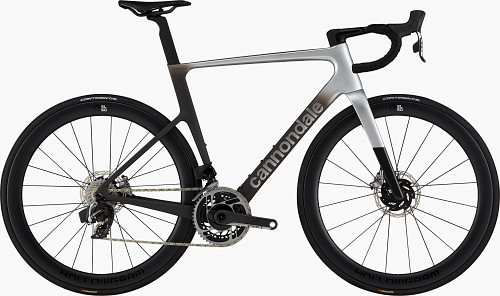
Another standout is the Synapse Carbon 3 SmartSense, updated in 2025 with wireless SRAM Rival AXS shifting. Bicycling.com calls it a “new standard for endurance,” praising its comfort on rough roads and integrated tech. Pros: Versatile for all-road adventures; cons: Tech features might overwhelm beginners.
Mountain Bikes: Conquering Trails with Confidence
Cannondale’s mountain bike range is legendary, with the Scalpel 1 leading the pack in 2025. This full-suspension XC bike boasts 120mm travel (up from previous models), carbon construction, and the Lefty Ocho fork. Pinkbike reviews applaud its capability on technical trails, with pros like agile handling and lightweight design. Cons include a higher cost and the need for specific maintenance on the Lefty system.
For hardtail fans, the Trail 7.1 offers an affordable entry with reliable Shimano gearing and fast-rolling tires. It’s nimble and comfortable for urban or light trail use, though some reviewers mention it lacks the suspension for extreme downhill.
Visualize the rugged appeal with this Cannondale mountain bike image.
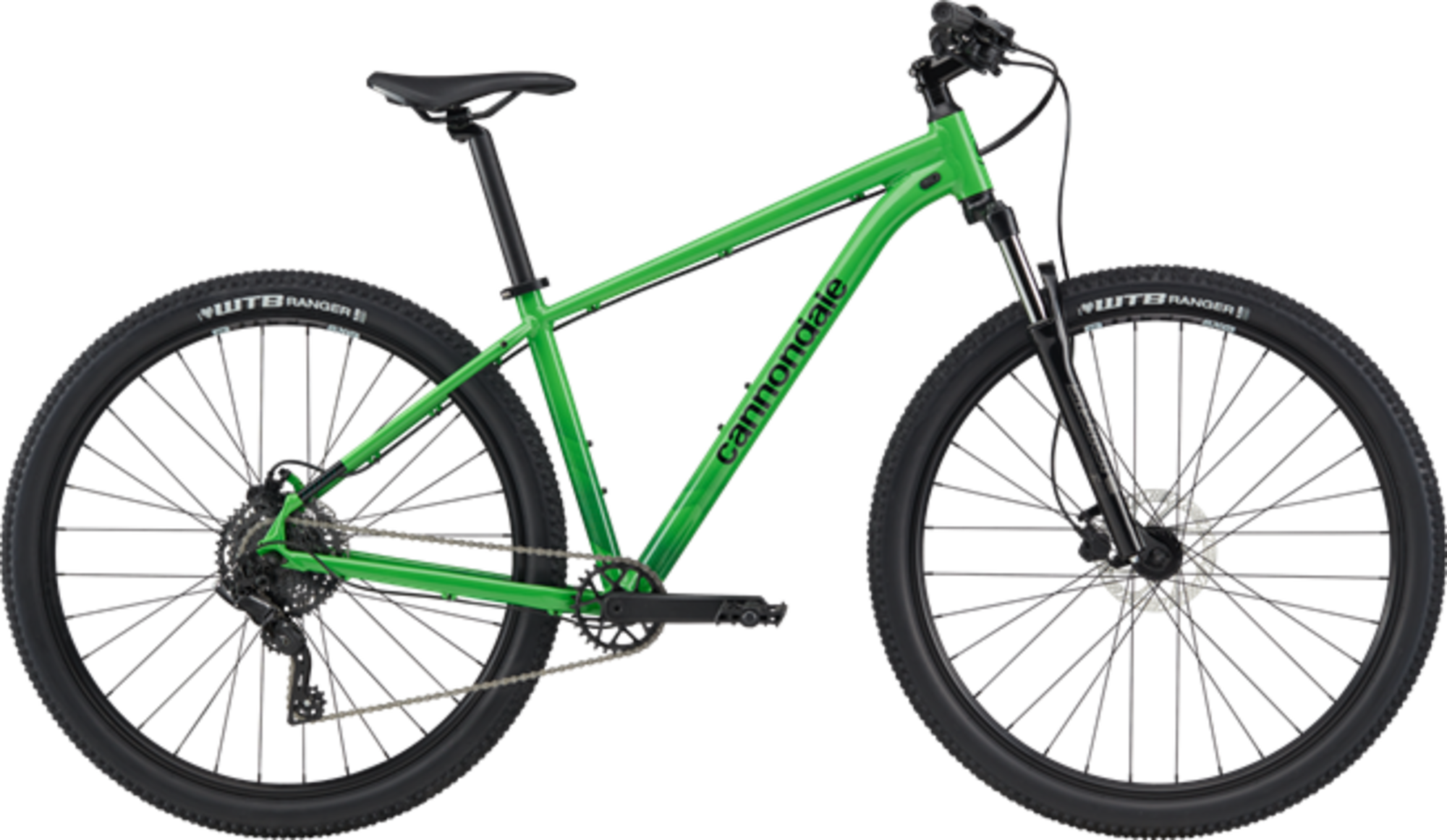
The Habit series, with its balanced geometry, excels in trail riding, offering 140mm travel and adjustable features for customization.
Gravel Bikes: Adventure on Mixed Terrains
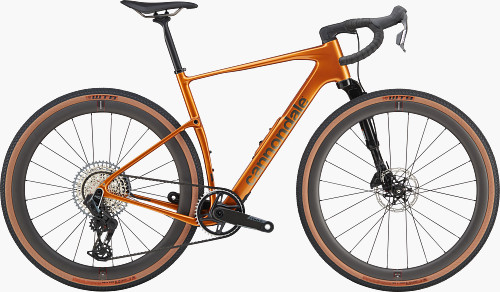
Gravel biking has exploded in popularity, and Cannondale’s Topstone Carbon series is at the forefront. The 2025 Topstone Carbon Lefty AXS features a unique Lefty suspension fork for smoother rides on uneven paths, increased tire clearance, and a more compliant rear end. Substack reviews note its improved comfort and tire options up to 45mm, pros being versatility for bikepacking and racing. Cons: The asymmetrical design from older models is gone, but some miss it for specific handling.
The standard Topstone offers similar benefits in an aluminum frame, making it budget-friendly while retaining Kingpin suspension for vibration damping.
Check out this Cannondale gravel bike to see its adventurous design.
Electric Bikes: Power-Assisted Fun
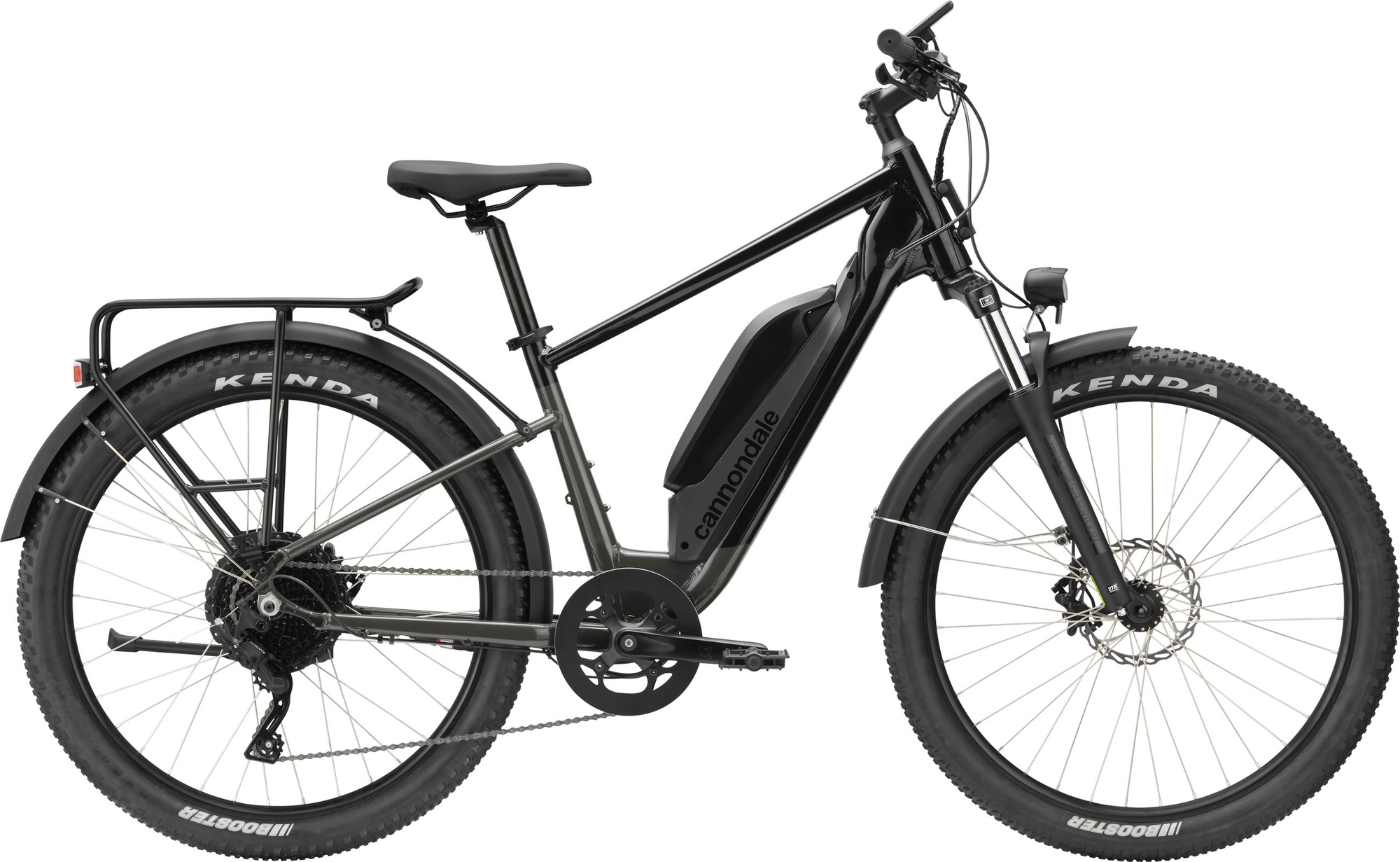
For those seeking assistance, the Adventure Neo Allroad Speed is a 2025 highlight. With a Bosch motor and integrated battery, it provides up to 75 miles of range, perfect for commuting or leisurely rides. Reviews praise its low-step frame for accessibility and confident handling, pros including speed (up to 28 mph) and comfort. Cons: Heavier weight and higher price point.
The Tesoro Neo X series extends this to off-road e-bikes, blending mountain capabilities with electric boost.
Here’s an example of a Cannondale electric bicycle in action.
Pros and Cons of Owning a Cannondale Bicycle
Across models, common pros include innovative frames that enhance stiffness and comfort, high-quality components from brands like SRAM and Shimano, and a focus on rider safety with features like SmartSense. Durability is a standout, with many bikes holding up well under rigorous use.
On the flip side, cons often revolve around pricing—Cannondale bicycles are premium, which might deter budget shoppers. Unique features like the Lefty fork require specialized tools for maintenance, and some models can feel niche for casual riders.
A Buyer’s Guide to Choosing Your Cannondale Bicycle
When selecting a Cannondale bicycle, consider your riding style: Road for speed, mountain for trails, gravel for versatility, or electric for ease. Budget-wise, entry-level models start around $1,000, while high-end ones exceed $5,000. Test ride at a local dealer to assess fit—Cannondale offers various frame sizes and geometries.
Look for 2025 updates like enhanced tire clearance and electronic shifting for future-proofing. Read reviews from sites like BikeRadar and Pinkbike for real-user insights.
Maintenance Tips for Your Cannondale Bicycle
To keep your Cannondale bicycle performing at its best, regular maintenance is key. Clean the frame and drivetrain after rides, especially in wet conditions, to prevent corrosion. Lubricate the chain every 100-200 miles, and check tire pressure weekly.
For suspension models, service forks and shocks annually. Use Cannondale-specific tools for components like the BB30 or Lefty. Store indoors to protect from elements, and consider professional tune-ups every 6-12 months.
Why a Cannondale Bicycle Could Be Your Next Ride
In conclusion, a Cannondale bicycle represents more than just transportation—it’s a gateway to adventure, innovation, and personal achievement. With a history rooted in creativity and a future bright with tech advancements, this brand continues to inspire cyclists in 2025 and beyond. Whether you’re eyeing the Synapse for endurance or the Scalpel for trails, investing in a Cannondale bicycle promises reliability and excitement on every pedal stroke. Ready to hit the road? Explore your options and embark on your cycling journey today.