
Cannondale Bicycle Corporation: Pioneering Innovation in the World of Cycling
In the ever-evolving landscape of cycling, few names stand out as prominently as Cannondale Bicycle Corporation. Founded over five decades ago, this iconic brand has revolutionized the way we think about bicycles, blending cutting-edge technology with a passion for performance. Whether you’re a casual rider, a competitive athlete, or an adventure seeker, Cannondale Bicycle Corporation offers something for everyone. In this comprehensive blog post, we’ll dive deep into the history, innovations, products, and legacy of Cannondale Bicycle Corporation, exploring how it has shaped the cycling industry and continues to inspire riders worldwide.

The Origins and History of Cannondale Bicycle Corporation
The story of Cannondale Bicycle Corporation begins in 1971, not with bikes, but with an unexpected pivot from precast concrete housing. Founded by Joe Montgomery and Murdock MacGregor in Wilton, Connecticut—named after the nearby Cannondale Metro North train station—the company initially aimed to innovate in construction materials. However, facing high capital demands, the team shifted gears. With the addition of talents like Ron Davis from CBS Laboratories, John Wistrand as an industrial designer, and Jim Catrambone in management, they explored diverse ideas, including an air conditioner without moving parts.
A turning point came after a camping bike trip that inspired Montgomery to create the “Bugger” bicycle trailer. This innovative design featured an under-seat hitch made from Lexan torsion spring and included cloth bags for cargo. Debuted at the New York Bicycle Show, it quickly gained traction, leading Cannondale Bicycle Corporation to become the world’s largest manufacturer of lightweight bicycle bags within months. They expanded into camping gear like backpacks and tents, but the real breakthrough was in bicycles.
By the early 1980s, engineer Todd Patterson developed advanced jigging and welding techniques for aluminum frames, propelling Cannondale Bicycle Corporation into full-fledged bicycle manufacturing. Their first mountain bike, the SM-500, hit the market in 1984, featuring a unique 26-inch front and 24-inch rear wheel setup for better traction. This model, with its TIG-welded 6061 aluminum frame and high-end components from Shimano and Suntour, retailed for $595 and set the stage for future successes.
The 1990s marked a period of rapid innovation and expansion for Cannondale Bicycle Corporation. They introduced groundbreaking models like the SE in 1991, which featured rear suspension with Elevated Suspension Technology, and the Delta V in 1992, boasting an integrated Headshok suspension fork. The Super V series, launched in 1993, became an icon with its oversized down tube and high-pivot swingarm, even incorporating carbon fiber by 1995—a first for the brand.
However, growth wasn’t without challenges. In the late 1990s, Cannondale Bicycle Corporation ventured into motorsports, producing off-road motorcycles and ATVs. Cost inefficiencies led to bankruptcy protection in 2003. Pegasus Capital Advisors acquired the assets, sold off the motorsport division, and refocused on bicycles. By 2008, Dorel Industries purchased the company for about $200 million, shifting production to Taiwan in 2009. In 2022, Pon Holdings took over, ensuring continued global operations with headquarters still in Wilton, Connecticut, and engineering in Freiburg, Germany.
Throughout its history, Cannondale Bicycle Corporation has weathered economic storms and controversies, such as the “Bugger” trailer’s name connotations in British English or the 2001 recall of the Super V Raven frames due to pivot failures. Yet, these hurdles only strengthened their commitment to quality and innovation.
Groundbreaking Innovations from Cannondale Bicycle Corporation
What truly sets Cannondale Bicycle Corporation apart is its relentless pursuit of technological advancement. From the outset, they pioneered aluminum frame construction, with Patterson’s welding processes allowing for lighter, stronger bikes. The CAAD (Cannondale Advanced Aluminum Design) series, starting with the 2.8 in 1992, utilized CAD and finite element analysis to create frames weighing just 2.8 pounds, featuring tapered tubes and innovative shapes for optimal performance.
One of the most notable inventions is the Headshok suspension system, introduced in 1992. Integrated into the head tube, it provided 45-50mm of travel with needle bearings for superior stiffness and responsiveness—far ahead of its time. By 2001, Cannondale Bicycle Corporation launched the Hollowgram crankset and BB30 bottom bracket standard, reducing weight by 80 grams and increasing stiffness by 10% compared to competitors like Shimano Dura-Ace. The BB30, with its 30mm spindle and pressed-in bearings, became an industry standard, though it sparked debates over serviceability.
Carbon fiber integration marked another milestone. The Six13 model in 2004 combined carbon tubes with aluminum for a hybrid frame, marketed with the cheeky slogan “Legalize my Cannondale” amid UCI weight limits. While critics noted that only smaller sizes approached the 6.8 kg threshold, it highlighted the brand’s creative edge.
In recent years, Cannondale Bicycle Corporation has embraced electric bicycles, incorporating Toshiba’s SCiB quick-charging lithium-ion batteries. Innovations like the OnePointFive headtube standard and external bottom bracket bearings (though later discontinued) further cement their legacy. These advancements aren’t just technical feats; they enhance rider experience, making bikes more efficient, comfortable, and durable.
Exploring the Diverse Product Lines of Cannondale Bicycle Corporation
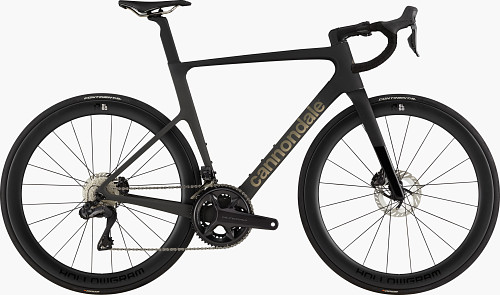
Cannondale Bicycle Corporation’s product portfolio is as varied as the cyclists it serves, spanning road, mountain, gravel, electric, and kids’ bikes. Their road lineup includes the legendary SuperSix EVO, a carbon fiber marvel known for its aerodynamic efficiency and lightweight design, perfect for competitive racing. The Synapse series offers endurance-focused geometry with vibration-damping features for long-distance comfort.
In the mountain bike category, icons like the Scalpel—a lightweight XC full-suspension bike with flexible carbon chainstays and 100mm travel—dominate trails. The Jekyll, revamped in 2011, provides adjustable rear shock for geometry tweaks, ideal for enduro enthusiasts. Hardtails like the F series, evolving from the 1995 model, deliver reliable performance with wishbone seat stays and modern updates for 29-inch wheels.
Gravel and adventure bikes, such as the Topstone, blend road speed with off-road capability, featuring ample tire clearance and stable handling. Electric options, like the Tesoro Neo, integrate seamless motor assistance with Cannondale’s signature frames, appealing to commuters and tourers alike.
For urban and fitness riders, the Quick series offers hybrid versatility, while kids’ models ensure the next generation starts with quality. Components like the Hollowgram wheels and proprietary forks round out the offerings, all manufactured in Taiwan with assembly in multiple locations for global distribution.
Notable discontinued lines, such as the Super V and Raven, live on in cycling lore, influencing modern designs. Today, Cannondale Bicycle Corporation emphasizes sustainability, using eco-friendly materials where possible.
Notable Achievements, Sponsorships, and Impact
Cannondale Bicycle Corporation’s influence extends beyond products to the competitive scene. They’ve sponsored top teams like EF Education–Nippo in 2021 and Tibco-Silicon Valley Bank from 2020-2021. Riders like Missy Giove won the 1994 downhill world championship on a Super V, while Alison Sydor claimed multiple cross-country titles and an Olympic silver in 1996 aboard an F series bike.
Individual athletes, including Jerome Clementz and Chris Van Dine, have pushed boundaries with Cannondale gear. The brand’s motorsport era, though short-lived, produced award-winning ATVs. Their innovations have earned numerous awards, from design accolades to performance benchmarks in cycling magazines.
Culturally, Cannondale Bicycle Corporation has inspired a loyal community. From bizarre facts—like the V 4000 concept where the president famously “ate his hat” after promising production—to quirky marketing, they’ve kept things engaging. As part of Pon Holdings, they contribute to a broader ecosystem of mobility solutions.

Current Status and Future Prospects for Cannondale Bicycle Corporation
As of 2025, Cannondale Bicycle Corporation thrives under Pon Holdings, with a focus on global expansion and digital integration. Their website showcases interactive tools for bike customization, and apps enhance the riding experience. Manufacturing in Taiwan ensures efficiency, while U.S. and European assembly maintains quality control.
Looking ahead, Cannondale Bicycle Corporation is poised to lead in e-mobility and smart bikes, incorporating AI for performance tracking and sustainable practices like recycled materials. Challenges like supply chain disruptions are met with resilience, drawing from their storied past.
Why Choose Cannondale Bicycle Corporation Today?
In conclusion, Cannondale Bicycle Corporation represents more than just bicycles—it’s a symbol of innovation, perseverance, and passion. From humble beginnings in a Connecticut train station to global dominance, they’ve consistently pushed the envelope, delivering bikes that perform at the highest levels. Whether tackling mountain trails, racing on roads, or commuting daily, riders trust Cannondale Bicycle Corporation for reliability and excitement.
If you’re in the market for a new bike, explore their lineup and experience the difference. With a legacy built on breakthroughs like CAAD frames and Headshok suspension, Cannondale Bicycle Corporation continues to inspire. Ride on, and discover why this brand remains a cornerstone of the cycling world.