
Discover the Cannondale Bike Company: Innovation and Excellence in Cycling
The Cannondale bike company has long been synonymous with cutting-edge design and high-performance bicycles that push the boundaries of what’s possible on two wheels. Whether you’re a casual rider exploring local trails or a competitive cyclist chasing podium finishes, the Cannondale bike company offers something for everyone. Founded on a spirit of rebellion against traditional norms, this iconic brand continues to lead the industry with its commitment to quality, technology, and rider experience. In this in-depth exploration, we’ll dive into the rich history, groundbreaking innovations, diverse product offerings, and future-focused initiatives of the Cannondale bike company, helping you understand why it remains a top choice for cyclists worldwide.

The Origins and Evolution of the Cannondale Bike Company
The story of the Cannondale bike company begins in 1971 in Wilton, Connecticut, where founders Joe Montgomery and Murdock MacGregor set out with ambitious ideas far beyond bicycles. Initially aiming to revolutionize precast concrete housing, the company pivoted after facing funding challenges, eventually finding success in outdoor gear. A key turning point came with the invention of a lightweight bicycle trailer called “the Bugger,” which featured innovative materials like Lexan for its hitch. This product catapulted the Cannondale bike company into the cycling world, quickly making it the largest manufacturer of bicycle bags and expanding into backpacks and tents.
By the early 1980s, the Cannondale bike company had honed its expertise in aluminum welding and jigging, thanks to contributions from engineer Todd Patterson. This expertise led to the launch of their first bicycle in 1983: the ST-500, an aluminum touring model that challenged the steel-dominated market. Unlike competitors sticking to traditional materials, the Cannondale bike company embraced aluminum for its lighter weight and superior strength-to-weight ratio, setting a new standard for performance bikes.
The 1990s marked a period of rapid growth and innovation for the Cannondale bike company. Going public in 1995 with a $22 million IPO, the brand expanded into motorsports, producing off-road motorcycles and ATVs. However, financial setbacks led to bankruptcy in 2003, after which Pegasus Capital Advisors acquired the assets and refocused efforts on bicycles. In 2008, Dorel Industries purchased the company for about $200 million, and by 2022, Dutch conglomerate Pon Holdings took over, integrating Cannondale into a larger mobility group. Today, headquartered in Wilton with engineering in Freiburg, Germany, and manufacturing primarily in Taiwan, the Cannondale bike company assembles bikes in the USA and Netherlands for local markets, ensuring global accessibility.
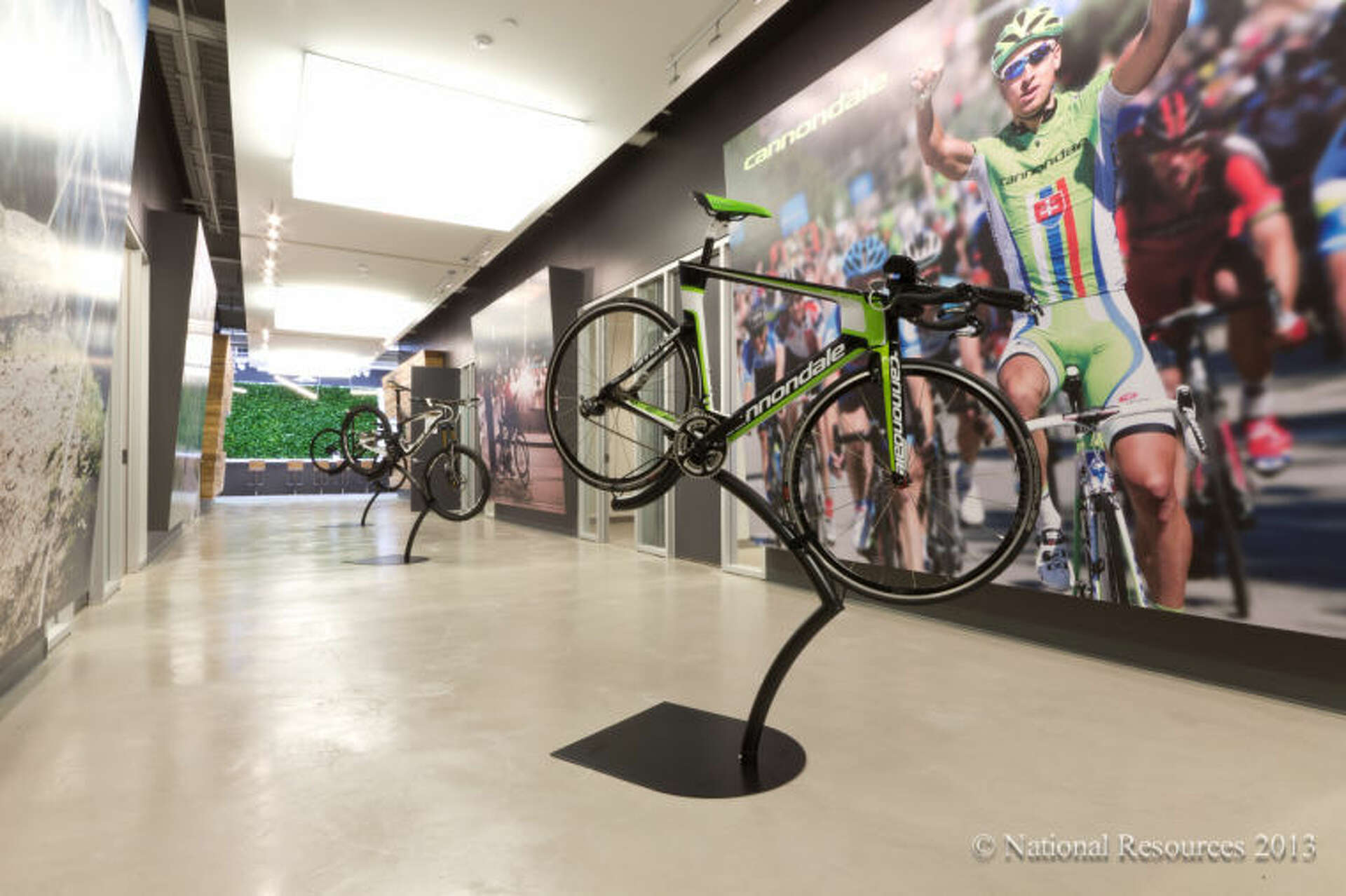
This evolution from a small workshop to a global powerhouse reflects the Cannondale bike company’s resilience and forward-thinking approach. The name itself, inspired by the nearby Cannondale train station (or, as some stories suggest, a rusty cannon sign), embodies a blend of local roots and innovative spirit that continues to define the brand.
Pioneering Innovations That Set the Cannondale Bike Company Apart
What truly distinguishes the Cannondale bike company is its relentless pursuit of innovation. From the outset, the brand challenged industry norms by pioneering aluminum and carbon-fiber frames when steel was the go-to material. This shift not only reduced weight but also enhanced durability and ride quality, making bikes more accessible to serious cyclists.
One of the Cannondale bike company’s hallmark innovations is the CAAD (Cannondale Advanced Aluminum Design) series, introduced in the 1990s. Frames like the CAAD3 and CAAD4 featured S-bend seat stays for improved comfort and used advanced techniques like CAD and finite element analysis to create lighter, stiffer structures. The 2.8 series frame, weighing just 2.8 lbs, incorporated tapered down tubes and ovalized top tubes for optimal performance.
The Cannondale bike company also revolutionized suspension with the Headshok fork in 1992, featuring an oversized headtube and integrated shock for better handling. This was followed by the Lefty single-sided fork, which disrupted traditional designs by offering lighter weight and easier maintenance. Another breakthrough was the Hollowgram bottom bracket and crankset, which became the BB30 standard—increasing spindle diameter for stiffness while saving weight.
In carbon fiber, the Six13 model combined carbon tubes with aluminum rear triangles, pushing boundaries in road racing. These innovations have earned the Cannondale bike company a reputation as one of the most forward-thinking brands, with award-winning products that continue to redefine cycling.
Exploring the Diverse Product Lines of the Cannondale Bike Company
The Cannondale bike company offers an extensive range of bicycles tailored to various riding styles, from high-speed road racing to rugged off-road adventures. Their product lines emphasize performance, comfort, and versatility, incorporating the latest materials and technologies.
Road Bikes: Speed and Efficiency
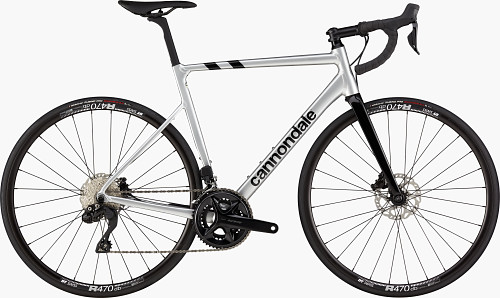
For road enthusiasts, the Cannondale bike company excels with models like the CAAD13, a lightweight aluminum race bike known for its aerodynamic design and responsive handling. The Synapse series focuses on endurance, with carbon frames that absorb vibrations for long-distance comfort. These bikes are ideal for competitive racing or leisurely group rides, blending speed with reliability.
Mountain Bikes: Conquering Trails
Mountain biking is where the Cannondale bike company truly shines, with iconic models like the Scalpel—a full-suspension cross-country bike featuring flexible carbon chain stays for efficient pedaling and 100mm of travel. The Super V from the 1990s, with its high-pivot swingarm, was a game-changer for downhill racing. Modern offerings like the Jekyll provide adjustable geometry for versatile trail performance, making them favorites among pros and amateurs alike.

Electric Bikes: Power-Assisted Adventures
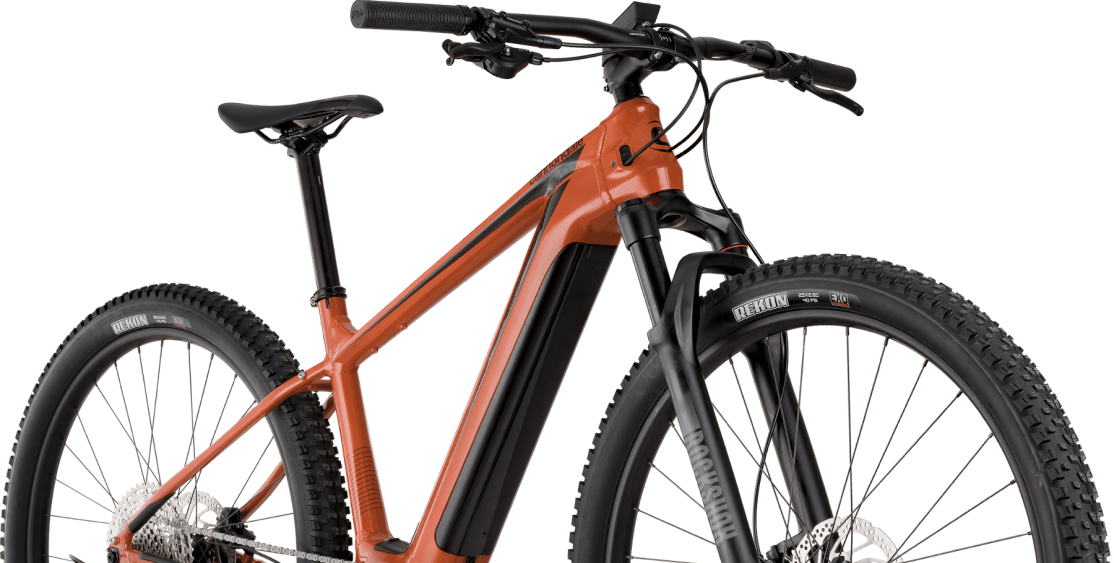
Embracing the e-bike revolution, the Cannondale bike company integrates Bosch or Shimano motors with quick-charging lithium-ion batteries in models like the Trail Neo. These hardtail electric mountain bikes offer seamless pedal assist, extending range for longer explorations without sacrificing the natural feel of riding. They’re perfect for commuters or those tackling hilly terrains with ease.
Gravel and Adventure Bikes: Versatility on Mixed Terrain
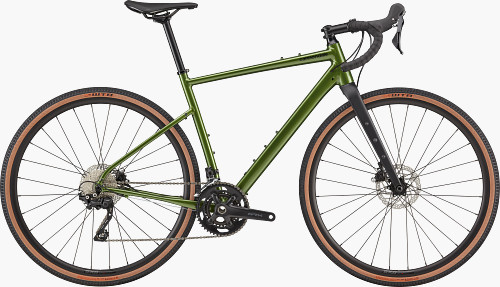
Gravel biking has surged in popularity, and the Cannondale bike company leads with the Topstone series, designed for rough roads and light trails. Featuring wide tire clearance and stable geometry, these bikes handle everything from pavement to dirt paths. The SuperSix EVO, a carbon gravel model, combines lightweight construction with durability for epic adventures.
Kids’ and Urban Bikes: Inclusive Options
The Cannondale bike company doesn’t forget younger riders or city dwellers. Their kids’ line includes scaled-down versions of adult models, ensuring safety and fun, while urban bikes like the Quick series prioritize comfort and practicality for daily commutes.
Notable Models and Legendary Achievements
Over the decades, certain models from the Cannondale bike company have become legends. The SM-500, their first mountain bike in 1984, featured a unique wheel setup for better traction. The Delta V introduced integrated suspension, while the F series hardtail helped Alison Sydor win multiple world championships.

Sponsorships have amplified the brand’s visibility. Teams like Volvo Cannondale dominated mountain biking in the 1990s, securing Olympic medals and world titles. On the road, partnerships with Saeco and Liquigas yielded Giro d’Italia victories. In triathlon, athletes like Chrissie Wellington powered by Cannondale bikes to Ironman wins. These achievements underscore the Cannondale bike company’s role in elevating cycling performance.
Commitment to Sustainability and the Future
In an era where environmental responsibility matters, the Cannondale bike company is making strides toward sustainability. They ship bikes in 100% recyclable packaging and focus on durable, long-lasting designs to reduce waste. As part of Pon Holdings, the brand aligns with broader mobility goals, promoting eco-friendly riding options like e-bikes to cut carbon emissions.
Looking ahead, the Cannondale bike company continues to iterate on materials, ergonomics, and technology, aiming to make cycling more inclusive and enjoyable. With a mission to “revolutionize cycling for everyone,” they encourage riders to explore new paths, fostering a community built on innovation and passion.
In conclusion, the Cannondale bike company stands as a beacon of progress in the cycling world. From its humble beginnings to its current status as a global innovator, the brand’s dedication to quality and performance ensures it will continue inspiring riders for generations to come. Whether you’re eyeing a new road bike or an e-mountain setup, exploring the Cannondale bike company is a journey worth taking.