
Cannondale Electric Bikes: The Ultimate Guide to Models, Features, and Reviews in 2025
In the ever-evolving world of cycling, Cannondale electric bikes stand out as a perfect blend of innovation, performance, and reliability. Whether you’re a commuter navigating city streets, an adventurer tackling rugged trails, or a road enthusiast seeking longer rides with less effort, Cannondale electric bikes offer something for everyone. These e-bikes amplify your pedaling power, making hills feel flatter and distances shorter, all while maintaining the brand’s reputation for high-quality craftsmanship. As electric biking continues to gain popularity in 2025, understanding what makes Cannondale electric bikes unique can help you make an informed choice. This comprehensive guide dives deep into their history, categories, top models, features, and real-world reviews to give you everything you need to know.
A Brief History of Cannondale and Their Foray into Electric Bikes
Cannondale’s story began in 1971 in Wilton, Connecticut, not with bicycles but with innovative cycling accessories like trailers and backpacks. Founded by Joe Montgomery and his team, the company quickly pivoted to bike manufacturing in the early 1980s, revolutionizing the industry with oversized aluminum frames that were lighter and stiffer than traditional steel options. By 1983, Cannondale introduced its first touring bike, followed by mountain bikes in 1984, setting the stage for a legacy of pushing boundaries.
The brand’s entry into electric bikes came as a natural evolution in the 2010s, aligning with the global shift toward sustainable and assisted mobility. Cannondale electric bikes first appeared with models incorporating Bosch motors, emphasizing seamless integration of electric assistance without compromising the ride feel. Today, in 2025, Cannondale electric bikes are known for their advanced technologies, such as carbon frames and smart system integrations, building on decades of expertise in aluminum and carbon fiber construction. This history underscores why Cannondale electric bikes are favored by both casual riders and professionals—they’re built on a foundation of innovation that dates back over 50 years.
Why Choose Cannondale Electric Bikes?
What sets Cannondale electric bikes apart in a crowded market? For starters, their commitment to quality and performance. Many models feature Bosch or Shimano drive systems, renowned for reliability and smooth power delivery. Batteries range from 400Wh to 800Wh, offering ranges up to 175km (about 109 miles) depending on the model and conditions, making them ideal for extended adventures or daily commutes.
Riders appreciate the brand’s focus on ride quality. Cannondale electric bikes often include features like air suspension, electronic shifting, and gravel-specific geometry, ensuring comfort and control across terrains. Additionally, their lightweight designs—especially in carbon-framed models—make them feel more like traditional bikes with an added boost. Environmentally conscious cyclists will love how these e-bikes promote eco-friendly transportation, reducing reliance on cars for short trips. With warranties typically covering frames for life and components for several years, investing in Cannondale electric bikes means long-term value.
Exploring the Categories of Cannondale Electric Bikes
Cannondale organizes its electric lineup into several categories to cater to different riding styles. Here’s a breakdown of the main ones, highlighting key models and features.
E-Mountain Bikes: Conquering Trails with Power
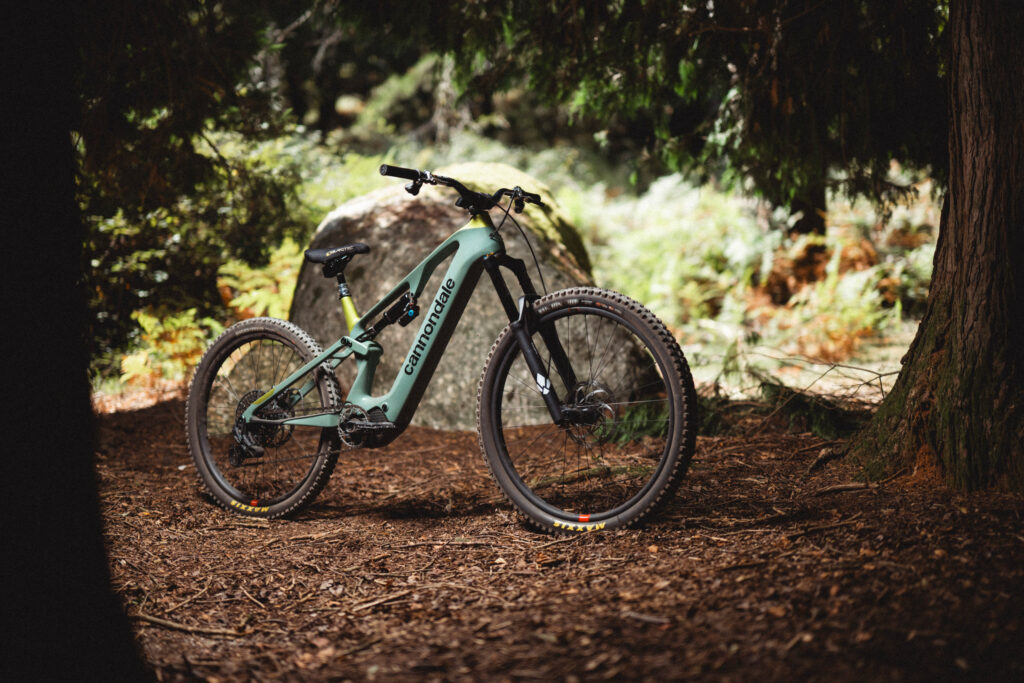
For off-road enthusiasts, Cannondale electric bikes in the e-mountain category deliver amplified fun on singletracks and enduros. These bikes are designed for electrified adventures, with powerful motors to tackle steep climbs and technical descents.
The Moterra series is a standout, featuring models like the Moterra SL 1 and Moterra LT Carbon 1. The SL 1, for instance, boasts a Shimano EP801 motor with a 601Wh battery, Fox Float Factory suspension, and SRAM XO AXS shifting for precise control. It’s remarkably light for a full-power trail bike, weighing around 20-22kg, and offers 150mm of travel for smooth handling. The Moterra LT models amp it up with 170/165mm travel, Bosch CX motors, and 800Wh batteries, perfect for hard-charging enduros.
Other notables include the Habit Neo lineup, with the Habit Neo 2 offering a Shimano SLX drivetrain and RockShox 35 Gold RL fork, providing up to 67 miles of range. The Trail Neo series, like the Trail Neo 1, is a premium hardtail with a Bosch SmartSystem and 750Wh battery, ideal for versatile trail riding.
Riders praise these Cannondale electric bikes for their confidence-inspiring performance. As one review notes, the Moterra 3 handles twisty singletracks and downhills exceptionally well, thanks to its balanced geometry and grippy tires.
E-Road and Gravel Bikes: Speed and Versatility on Pavement and Beyond
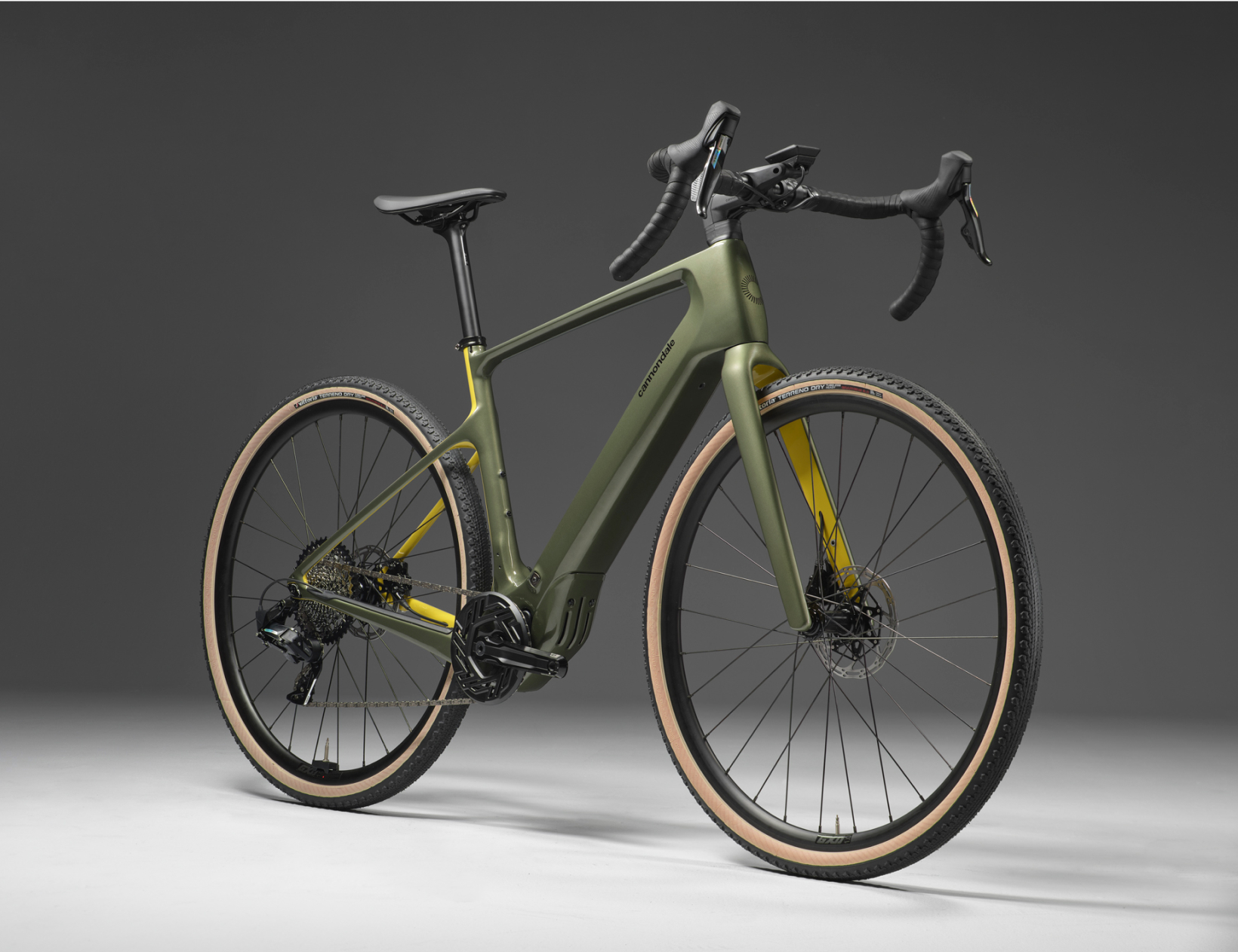
If your rides involve smooth roads or mixed gravel paths, Cannondale electric bikes in the e-road category provide fast, efficient assistance for climbing and long distances.
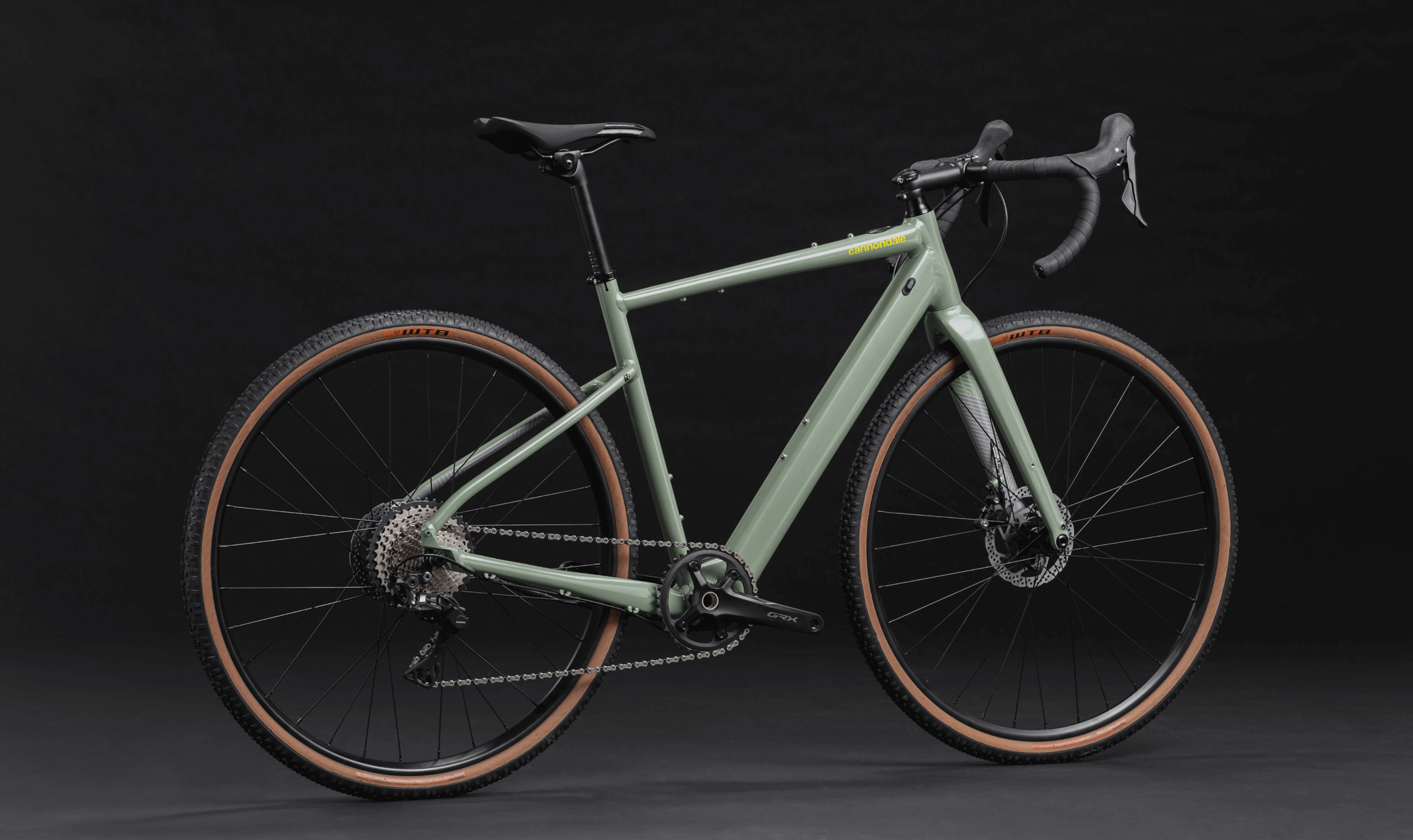
The Synapse Neo series excels here, with the Synapse Neo Allroad 1 featuring a Bosch SX drive unit, 400Wh battery, and SRAM Force AXS XPLR 12-speed shifting. It’s built for comfort with carbon wheels and gravel geometry, offering up to 109 miles of range. The Topstone Neo lineup, like the Topstone Neo Carbon Lefty 3, incorporates Shimano GRX shifting and a 30mm Oliver fork for vibration damping, making it a top choice for electric gravel biking with ranges up to 78 miles.
These Cannondale electric bikes are lauded for their sporty flair and endurance. Reviews highlight how models like the Topstone Neo 5 blend alloy frames with reliable Bosch motors for a seamless road-to-gravel transition.
E-Urban Bikes: City Commuting Made Effortless
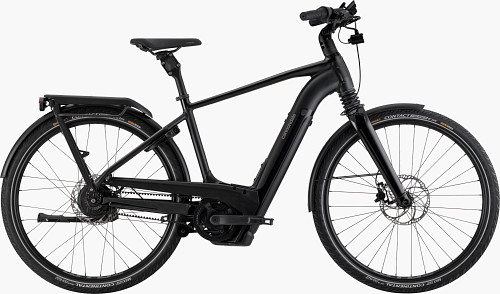
For urban dwellers, Cannondale electric bikes in the e-urban category prioritize comfort, practicality, and style. These are perfect for daily errands, work commutes, or leisurely city cruises.
The Adventure Neo series, such as the Adventure Neo 1 EQ, comes equipped with plush saddles, gear racks, and up to 99 miles of range from Bosch motors. It’s “equipped” for versatility, handling everything from paved paths to light trails. The Mavaro lineup, including the Mavaro 1 with its Bosch CX motor and up to 175km range, features award-winning designs with front suspension and integrated locks for security. Low step-thru options make them accessible for all riders.
The Compact Neo is a fun, foldable option with 20-inch wheels and a rear hub drive, ideal for compact storage in apartments. Users rave about the build quality and effective accessories, like bright lights and solid racks, making these Cannondale electric bikes reliable urban companions.
Top Models and Real-World Reviews of Cannondale Electric Bikes
In 2025, several Cannondale electric bikes have risen to the top based on expert and user feedback. The Adventure Neo Allroad EQ is frequently called a “shit-kicker” for its all-terrain capability, comfortable ride, and readiness for adventures without upgrades. It’s praised for stability on gravel climbs and everyday utility.
The Moterra SL 1 earns accolades for its lightweight full-power design, with test rides highlighting its agility and powerful Shimano motor. For road riders, the Synapse Neo offers a fast, zippy experience that’s stable and versatile.
Overall, reviews emphasize Cannondale electric bikes’ reliability and innovation. One long-term test of the Moterra Neo LT describes it as a “long-travel electric joyride,” perfect for extended trail sessions. Common praises include excellent battery life, intuitive controls, and premium components, though some note higher price points as a consideration.

Key Features and Technologies in Cannondale Electric Bikes
Cannondale electric bikes incorporate cutting-edge tech for enhanced performance. Most use Bosch Performance Line CX or Shimano EP801 motors, delivering up to 85Nm of torque for effortless assistance. Batteries are integrated seamlessly, with SmartSystem compatibility for app-based monitoring of range, navigation, and diagnostics.
Unique features include Proportional Response suspension tuning, which optimizes kinematics based on frame size, and carbon or alloy frames for durability and lightness. Many models offer electronic shifting (e.g., Shimano Di2) and hydraulic disc brakes for precise stopping. Safety elements like integrated lights, reflective accents, and robust tires add peace of mind.
Sustainability is key—Cannondale uses recyclable materials where possible, and their e-bikes encourage greener commuting.
Buying Guide: How to Choose the Right Cannondale Electric Bike
When selecting among Cannondale electric bikes, consider your riding style: mountain for trails, road/gravel for speed, urban for city use. Budget-wise, entry-level models start around $2,000-$3,000, while premium ones exceed $5,000-$10,000.
Test ride if possible to feel the motor assist levels (Eco, Tour, Sport, Turbo). Check battery range against your needs—higher Wh means longer rides. Sizing is crucial; Cannondale offers tools for proper fit. Look for dealers with good service, as maintenance like battery checks is important.
Accessories like racks, fenders, and locks enhance utility. In 2025, watch for deals on models like the Adventure Neo during sales events.
Conclusion: Ride into the Future with Cannondale Electric Bikes
Cannondale electric bikes represent the pinnacle of assisted cycling, combining heritage with modern tech for unforgettable rides. Whether exploring mountains, cruising roads, or commuting in the city, these e-bikes make every journey more accessible and enjoyable. With glowing reviews and a focus on quality, they’re a smart investment for 2025 and beyond. If you’re ready to elevate your cycling experience, explore Cannondale electric bikes today—your next adventure awaits.