
Exploring Cannondale: Innovation, History, and Top Bikes for Every Rider
In the world of cycling, few brands stand out for their blend of cutting-edge technology, durable design, and rider-focused performance. Cannondale has been a pioneer in this space since its inception, offering bicycles that cater to beginners, enthusiasts, and professionals alike. Whether you’re tackling rugged mountain trails, speeding down smooth roads, or commuting through urban landscapes, this brand delivers options that enhance the riding experience. In this comprehensive guide, we’ll dive into the rich history, groundbreaking innovations, diverse product lineup, and why so many cyclists choose these bikes. We’ll also touch on recent developments to keep you up to date with the latest offerings.
The Origins and Evolution of a Cycling Icon
The story of this renowned bicycle manufacturer begins in 1971 in Wilton, Connecticut. Founded by Joe Montgomery and Murdock MacGregor, the company initially focused on precast concrete housing before pivoting to outdoor gear. A key turning point came when they developed lightweight bicycle trailers and bags, inspired by camping adventures. By the early 1980s, with the addition of engineer Todd Patterson, the brand shifted to producing aluminum frames using advanced jigging and welding techniques. The name itself draws from the local Cannondale Metro North train station, evoking a sense of adventure and innovation right from the start.
Over the decades, the company has seen several ownership changes that shaped its trajectory. After going public in 1995 with a $22 million IPO, it faced challenges in the late 1990s, including a foray into motorsports that led to bankruptcy in 2003. Pegasus Capital Advisors acquired the assets, refocusing on core cycling products. In 2008, Dorel Industries bought the brand for about $200 million, and by 2009, production moved to Taiwan for efficiency. The most recent shift occurred in 2022 when Pon Holdings, a Dutch mobility group, took over, ensuring continued growth and global reach.
Key milestones highlight the brand’s commitment to pushing boundaries. In 1984, they launched their first mountain bike, the SM-500, featuring a unique wheel setup for better traction. The 1990s brought suspension innovations like the Headshok fork and the Super V full-suspension model, which helped riders like Missy Giove and Alison Sydor secure world championships. The early 2000s saw the introduction of carbon fiber frames with the Raven series, though not without challenges like recalls for safety improvements.
By the 2010s, the focus expanded to include electric models and refined cross-country designs, such as the Scalpel with 29-inch wheels. Manufacturing evolved too, with frames now produced in Taiwan and assembled in various locations including the USA and Netherlands to meet regional demands. This evolution reflects a dedication to quality and adaptability in a competitive market.
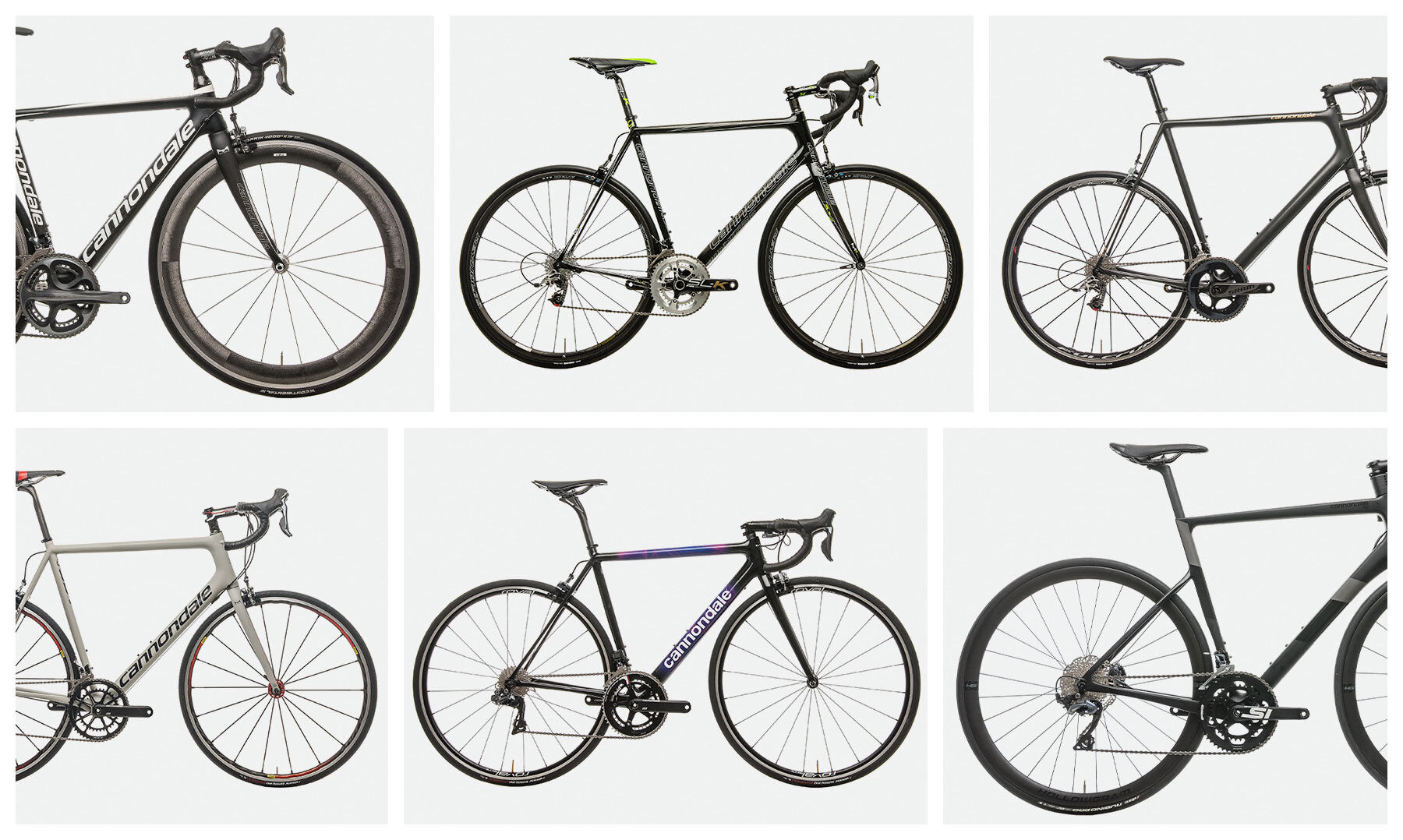
To visualize this journey, here’s an image showcasing a classic model that represents the brand’s heritage:
Groundbreaking Technologies That Set the Brand Apart
What truly distinguishes these bicycles is the emphasis on innovation. The company has pioneered several technologies that have become industry standards. For instance, the System Integration approach includes proprietary components like the Hollowgram crankset and BB30 bottom bracket standard. Introduced in 2001, BB30 uses a 30mm spindle for reduced weight and increased stiffness, allowing aluminum parts to outperform traditional steel without added bulk.
Another hallmark is the Lefty fork, an evolution of the 1992 Headshok. This single-sided suspension system reduces weight while providing smooth, responsive handling on uneven terrain. It’s particularly popular in mountain and gravel models for its efficiency and minimal maintenance needs. The CAAD (Advanced Aluminum Design) series exemplifies their expertise in metal frames, using computer-aided design and finite element analysis to create lightweight yet robust structures. Models like the CAAD10 from 2011 featured S-bend seat stays for improved comfort and compliance.
Carbon fiber integration started in the mid-1990s with elements in the Super V swingarm, leading to full-carbon frames like the Scalpel. Flexible chain stays in some designs enhance rear suspension without added complexity. These advancements ensure riders get bikes that are not only fast but also comfortable for long hauls.
Sustainability is also a growing focus. The brand incorporates eco-friendly materials and processes, aligning with broader industry trends toward responsible manufacturing. Their community involvement includes sponsorships of professional teams, from road racing squads like EF Education to mountain biking outfits like Cannondale Factory Racing, fostering a vibrant cycling culture.
Diving into the Product Lineup: Bikes for Every Adventure
The range of offerings is vast, covering multiple categories to suit diverse riding styles. Let’s break it down.
Mountain Bikes: Conquering Trails with Confidence
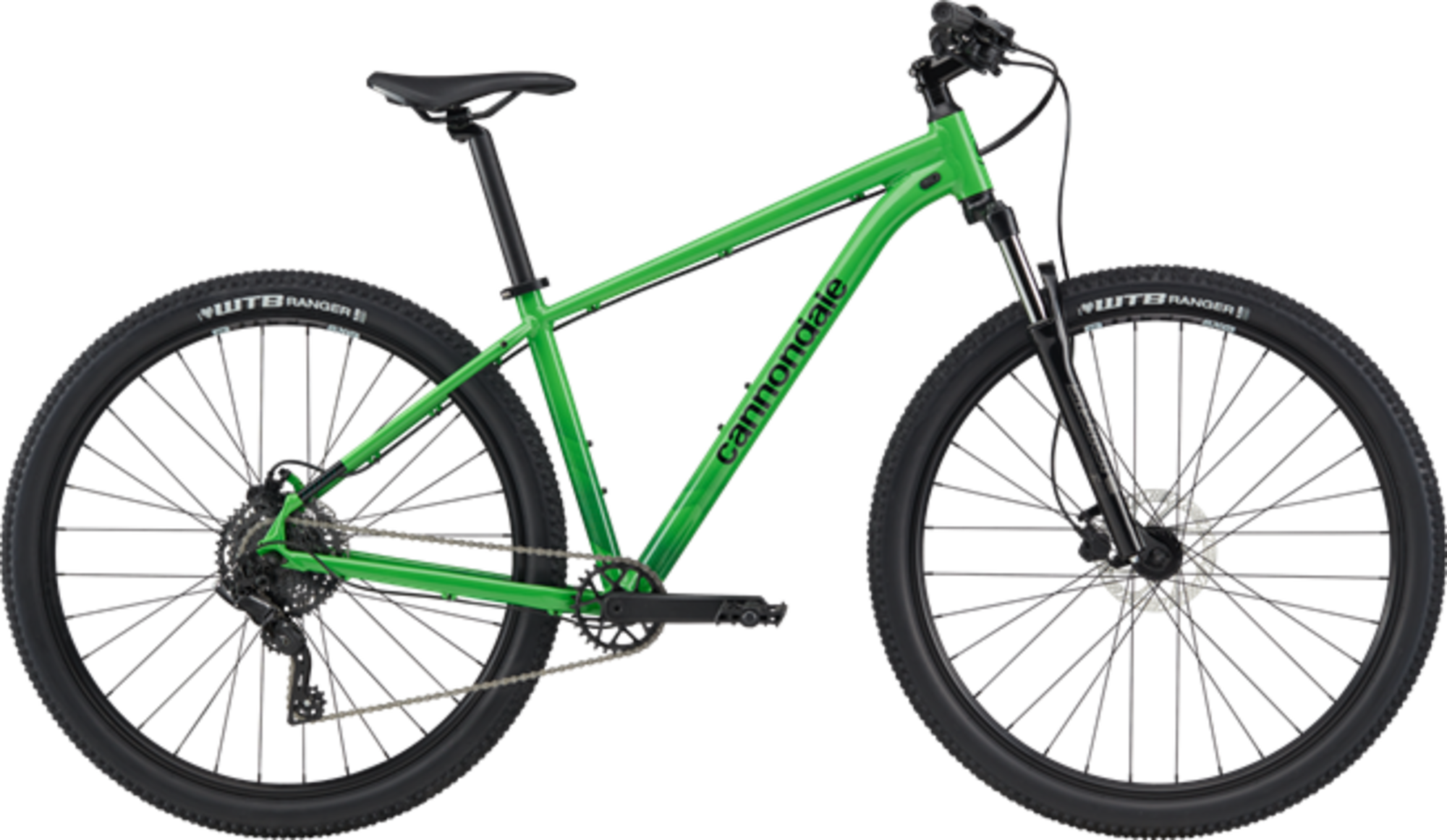
For off-road enthusiasts, the mountain lineup is legendary. Early models like the Beast of the East and Killer V set the stage, but modern iterations like the Scalpel and Jekyll take it further. The Scalpel, a cross-country favorite, features 100mm of travel with carbon chain stays for flex-based suspension, ideal for racing or technical singletracks. The Jekyll, with 120-135mm travel, excels in enduro scenarios, offering adjustable geometry for versatility.
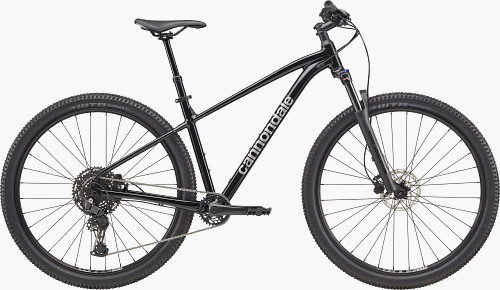
Recent updates include the Trigger 29, blending speed and stability. These bikes often incorporate the Lefty fork for precise control. If you’re new to mountain biking, entry-level options like the Trail series provide reliable performance without overwhelming complexity.
Check out these examples of mountain models in action:

Road Bikes: Speed and Endurance on Pavement
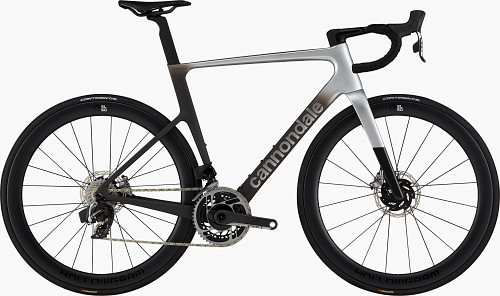
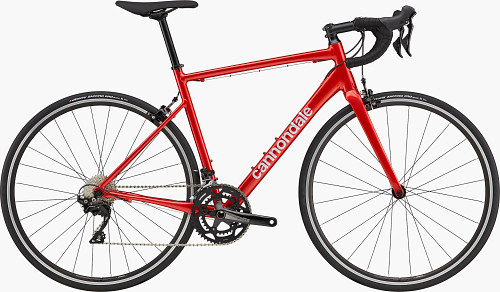
Road cyclists appreciate the aerodynamic and lightweight designs. The SuperSix EVO series stands out for its balance of stiffness and comfort, with recent models like the 2025 Synapse Lab71 incorporating SmartSense technology for integrated lights and radar. This enhances safety during group rides or commutes. The CAAD Optimo offers affordable aluminum options with crisp shifting and responsive handling.
The 2025 Synapse redefines endurance riding, boasting aero performance comparable to pro race bikes while maintaining comfort for all-day adventures. It’s versatile enough for light gravel, with clearance for wider tires.
Visualize the sleek lines of these road machines:

Gravel and All-Road Options: Versatility Unleashed
Gravel biking has surged in popularity, and models like the Topstone and SuperX cater perfectly. The 2025 Topstone features a rigid carbon fork with generous tire clearance up to 56mm, making it a conversation starter for mixed-terrain rides. The SuperX 2, a gravel racer, boasts aerodynamic frames and sporty geometry for competitive edge. These bikes blend road speed with off-road capability, ideal for adventures beyond pavement.
Electric Bikes: Power-Assisted Fun for All
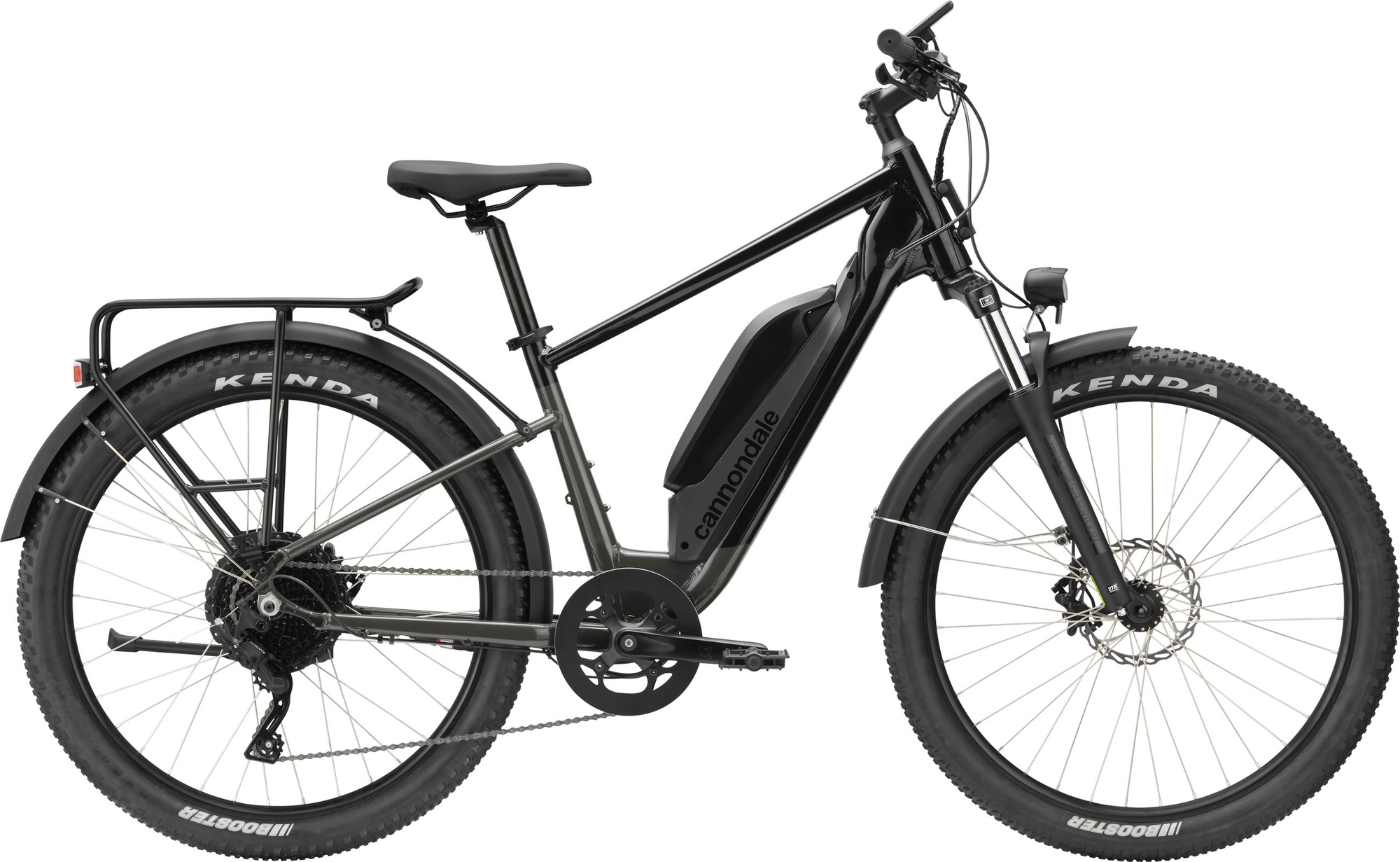
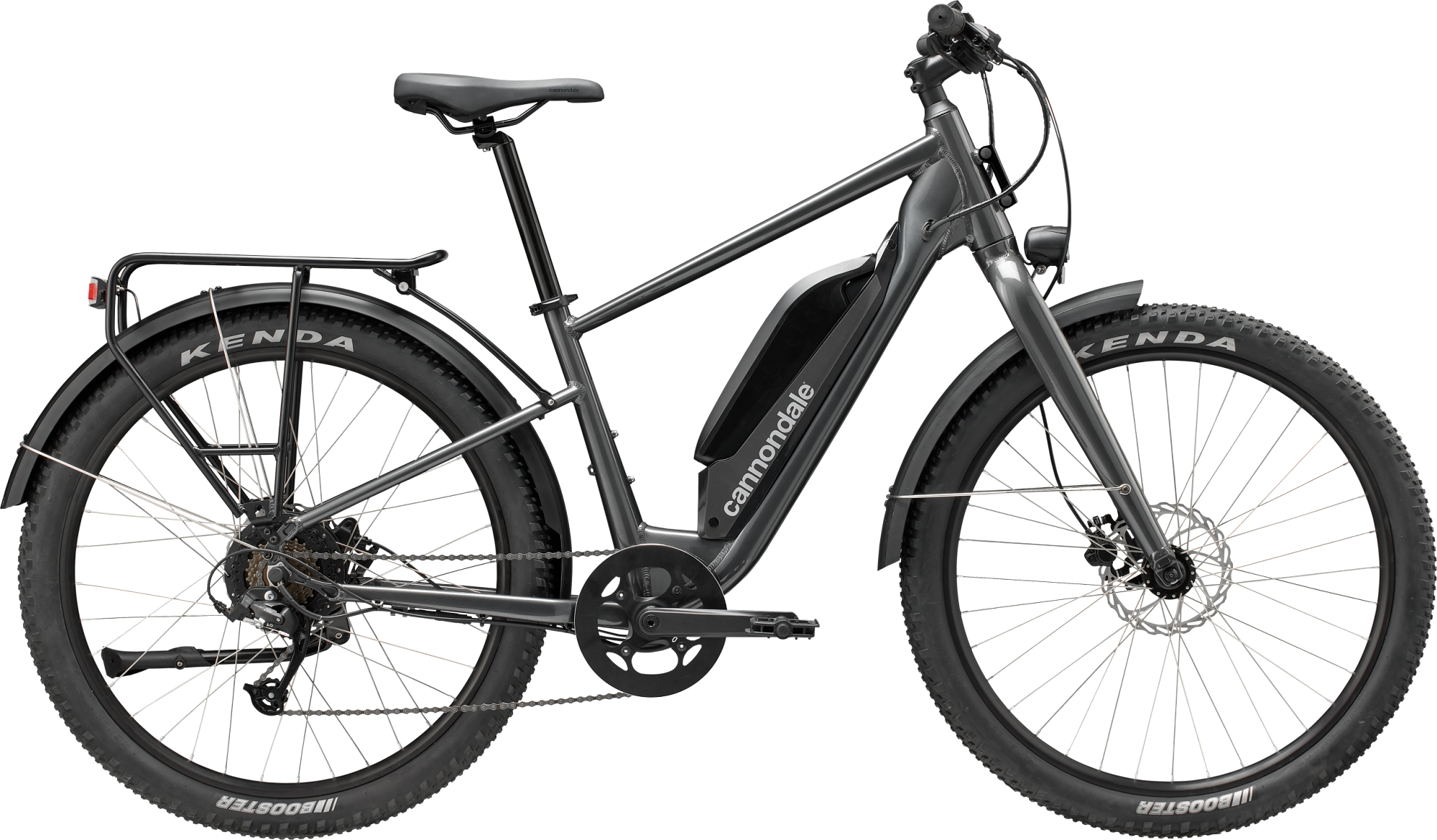
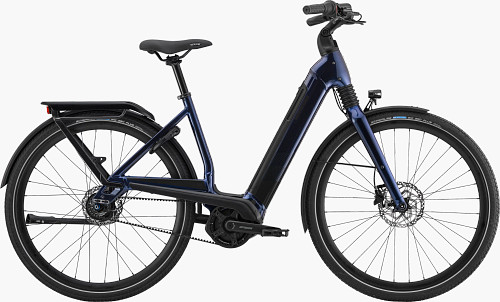
For those seeking assistance on hills or longer commutes, the electric range shines. Models like the Adventure Neo Allroad use reliable batteries, such as Toshiba SCiB lithium-ion, for extended range. They combine hybrid comfort with pedal-assist motors, making cycling accessible to more people. The Mavaro Neo series focuses on urban utility with integrated racks and lights.
Here’s a look at some electric models:
Recent Developments and What’s New in 2025
The year 2025 has brought exciting updates. The Synapse series now includes gravel tire clearance and refined SmartSense for smarter, safer rides. The SuperX 2 emphasizes aerodynamics and compliance, standing out in group tests. Meanwhile, the Topstone continues to evolve with wider clearances for bigger adventures. These releases show the brand’s ongoing commitment to blending tradition with modern tech.
Sponsorships remain strong, supporting teams in road, mountain, and triathlon events. Notable athletes like Faris Al-Sultan and Chrissie Wellington have achieved victories on these bikes, inspiring riders worldwide.
Why Riders Choose These Bicycles
Cyclists gravitate toward this brand for its reliability, performance, and value. Innovations like BB30 and Lefty provide tangible benefits in speed and comfort. The diverse lineup ensures there’s something for every budget and skill level, from entry-level aluminum frames to pro-grade carbon setups. Community support through events and teams builds loyalty, while sustainability efforts appeal to eco-conscious users.
In reviews, riders praise the balance of stiffness and compliance, making long rides enjoyable. Whether you’re a weekend warrior or a daily commuter, these bikes deliver.
Final Thoughts on Embracing the Ride
From humble beginnings in Connecticut to global innovation leader, Cannondale continues to redefine cycling. With a focus on quality, technology, and rider needs, it’s no wonder this brand remains a top choice. If you’re in the market for a new bike, explore their options—you might just find your perfect match for the trails, roads, or beyond. Happy riding!